How Apigee can help government agencies adopt Zero Trust
With the help of APIs and Google Cloud’s Apigee, government agencies can bring application-based information together to support their objectives. Here’s how.


With the help of APIs and Google Cloud’s Apigee, government agencies can bring application-based information together to support their objectives. Here’s how.
Our New user interface has kept us busy for a while now, which explains why we haven’t made an update post like this one in a while. You’ve probably noticed that the UI has changed a lot since the first version released last year. It’s obvious when you put them side by side. The beta version: And the latest: A lot of it had to do with updating to Angular 15 but this was also the perfect occasion to offer an even better user experience.
Page speed has emerged as a critical factor in the digital landscape, where user experience is critical to website success. With Google’s introduction of Core Web Vitals, website owners must stay up to date on the most recent metrics and recommendations to ensure optimal performance. In this article, we will look at the most recent Core Web Vitals metrics and provide actionable recommendations to improve the performance of your website in 2023.
“A single-threaded, non-blocking, asynchronous, concurrent programming language with many flexibilities”. This is how freeCodeCamp defines JavaScript. Sounds great, right? Well, read it again. JavaScript is supposed to be single-threaded and asynchronous simultaneously. Which, when you think about it, sounds like a contradiction.
April showers bring May feature releases to the Appian Platform. Get ready for sunny skies ahead with some seriously great new updates to Appian in 23.2. View documentation, release notes, discussion board posts, and tutorials on Community. The AI buzz is everywhere. If you’ve been getting bombarded with requests to “use more AI,” we’ve got you covered.
As the month of May comes to a close, we’re excited to give you an overview of all the new features, improvements, and enhancements we’ve added to the Katalon platform this past month. Let’s dive right into it!
We’re excited to introduce a new (and much requested!) feature to the Ghost Inspector community: Explicit Window Targeting. Now you have the power to specifically target which window or tab you want to focus on during your test steps. Usually, when you use a CSS selector in your test, Ghost Inspector’s test runners go through all the available tabs to find the first matching element.
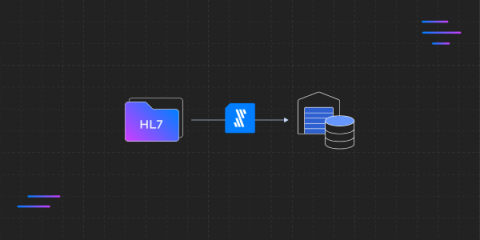
A continuation of our series on ASCII files; how to ingest data from HL7 files.