Systems | Development | Analytics | API | Testing

What is AI NLQ? Understanding AI-Powered Natural Language Query

The rise of natural language query (NLQ) technology in modern business intelligence (BI) and analytics platforms is empowering many companies to streamline data exploration and analysis, and democratize access to insights for more people - not just data experts. But like any technology, the ongoing challenge is to help stakeholders and customers to see the value in using it.
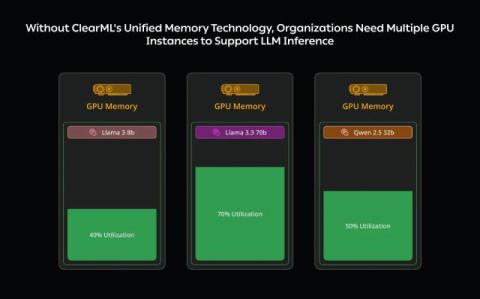
Maximizing GPU Efficiency with ClearML's Unified Memory Technology

AI builders deploying models into production focus on ensuring well-performing models are available for users. Once the model is live, the focus shifts to optimizing GPU usage for efficient deployment. While GPU machines offer the best performance, they are costly to run and frequently remain underutilized.

Securing, Observing, and Governing MCP Servers with Kong AI Gateway

The explosion of AI-native applications is upon us. With each new week, massive innovations are being made in how AI-centric applications are being built. There are a variety of tools developers need to consider, be it supplying live contextual data via the Model Context Protocol (MCP) or leveraging the new Agent2Agent Protocol (A2A) to standardize how their agentic applications will communicate. The modern AI application can include communication between many different entities, including.

Agentic AI vs Generative AI: Understanding the Key Differences

You’ve probably interacted with AI more times than you can count—whether it’s getting a movie recommendation, using an AI-powered chatbot, or watching AI-generated content. But have you ever stopped to think about how these AI systems actually work? Not all AI is built the same way, and two key paradigms are emerging as game-changers: Agentic AI and Generative AI.

What is a Multi Agent System? Types, Application and Benefits

AI has evolved from simple rule-based systems to models capable of understanding language, generating images, and even assisting in complex decision-making. Yet, most AI systems still operate as a single, standalone entity. But what if AI could work like a team, where each agent brings its own strengths to the table? Multi-agent systems (MAS) make this possible by enabling real-time interaction and coordination among intelligent agents.

10 Agentic AI Examples (Use Cases) for Enterprises & How To Build Them

AI is no longer just a tool. It is now handling complex tasks with minimal human intervention and oversight. This transformative shift has given rise to agentic AI, where AI-powered systems make decisions, adapt to new information, and automate workflows across departments. From answering customer inquiries to managing financial data, these AI-driven agents are reshaping how businesses operate.

What are Agentic Workflows?

Organizations are moving beyond simple automation towards a future where systems are intelligent enough to tackle complex tasks with minimal human intervention. Agentic workflows are the driving force behind this shift. According to Gartner, a staggering 33% of enterprise software applications are projected to integrate agentic AI by 2028, enabling them to autonomously make decisions for as much as 15% of routine work.

Agencies Win With Data Streaming: Evolving Data Integration to Enable AI

With data streaming, public sector organizations can better leverage real-time data and modernize applications. Ultimately, that means improving the reliability of services that agencies and citizens depend on, enhancing operational efficiency (therefore cutting costs), and delivering critical insights the moment they’re needed.

How to Setup Observability for your MCP Server with Moesif

The Model Context Protocol (MCP) has taken the internet by storm by rapidly becoming the standard for Large Language Models (LLMs) to communicate with external data sources or tools. MCP provides a structured way to fetch data and trigger workflows through APIs and functions. However, with great power comes great responsibility.