Systems | Development | Analytics | API | Testing

.NET Core vs .NET Framework: How to Pick a .NET Runtime for an Application

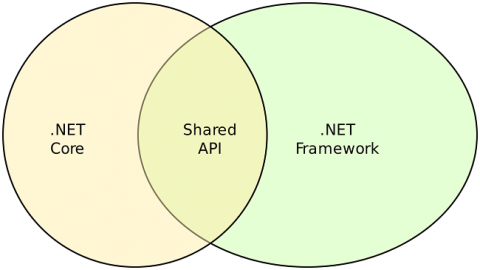
A while back we predicted that.NET Core would be the next big thing, offering developers many options in application development. Indeed, there is huge demand for developers that know this technology. But how does it differ from the.NET Framework, and what do you need to know to use them both effectively? Today, we’ll contrast.NET Core vs. .NET Framework to help you choose which one to use for your next project.

Data lake vs. data mesh: Which one is right for you?

What’s the right way to manage growing volumes of enterprise data, while providing the consistency, data quality and governance required for analytics at scale? Is centralizing data management in a data lake the right approach? Or is a distributed data mesh architecture right for your organization? When it comes down to it, most organizations seeking these solutions are looking for a way to analyze data without having to move or transform it via complex extract, transform and load (ETL) pipelines.

Top 10 Data Integration Tools to Try in 2023

In the modern era, effective decision-making is powered by data-generated insights. This data is typically spread across various sources and applications. Companies can analyze each data source separately, but it won't be an efficient option since it doesn't bring the whole representation of data comprehension. And that's where data integration tools come in.

Perforce Cloud Deployment + Hosting Options

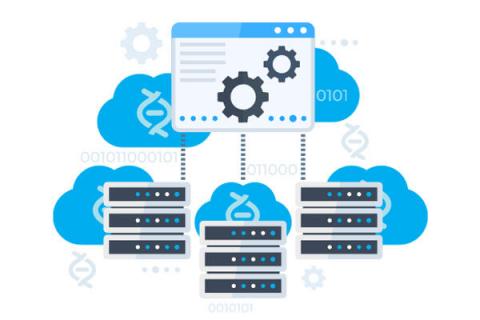
Helix Core, the industry-standard version control system, empowers teams to accelerate innovation and collaboration at scale. Deployment of Helix Core in the cloud is simple, easy, and customizable. Perforce provides several deployment options to better meet your team’s unique needs. Read along or jump to the section that interests you the most. ➡️ easily deploy Helix Core in the Cloud.

Materialized Views in SQL Stream Builder

Cloudera SQL Stream Builder (SSB) gives the power of a unified stream processing engine to non-technical users so they can integrate, aggregate, query, and analyze both streaming and batch data sources in a single SQL interface. This allows business users to define events of interest for which they need to continuously monitor and respond quickly. There are many ways to distribute the results of SSB’s continuous queries to embed actionable insights into business processes.

GraphQL Authorization at the API Gateway with Kong Konnect and OPA

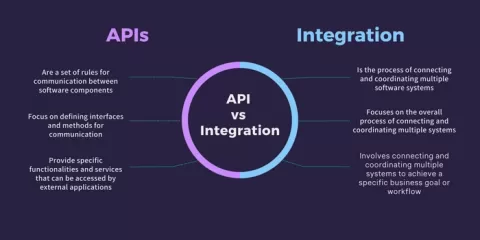
In this blog we are going to learn about the technical challenges behind solving GraphQL authorization and how many organizations resolve it today. Then discuss how a Kong / OPA integration can help drive security standards in this space and bring some parity with REST API solutions. Last, we will end with a quick tutorial.

Process Automation Technology: 3 Things to Know

If you’re evaluating enterprise business process automation technologies, it’s important to understand what complete process automation technology can do compared to today’s many automation point solutions. Process automation technologies automate repetitive and manual tasks inside a business process.

Data modeling best practices for data and analytics engineers

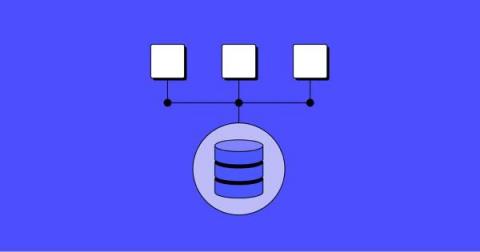
Recently, I published an article on whether self-service BI is attainable, and spoiler alert: it certainly is. Of course, anything of value usually does require a bit of planning, collaboration, and effort. After the article was published, I began having conversations with technical leaders, analysts, and analytics engineers, and the topic of data modeling for self-service analytics came up repeatedly.