Systems | Development | Analytics | API | Testing

Sponsored Post

Continuous Load Testing | A Developer's Guide

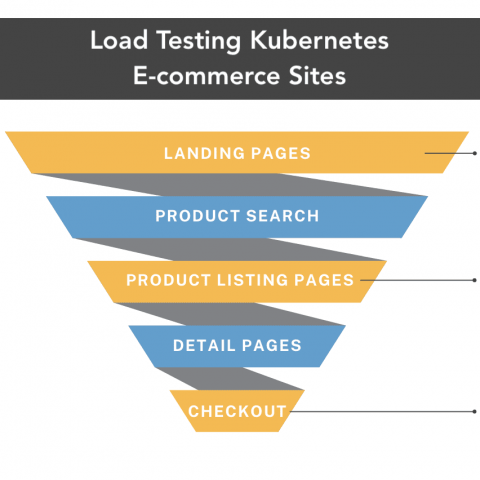
Continuous load testing is a powerful way of preparing for surges in traffic, without needing real users. Imagine you're a software engineer working on a website that's seen a recent surge in traffic. Despite initial testing indicating that the website should be capable of handling the increased load, the website crashes during peak hours. Load Testing is the process of simulating real-world usage of a website or application. The continuous version is when you integrate it into your development process as part of a CI/CD pipeline.

Comparing Loadero and testRTC for WebRTC testing

When it comes to WebRTC testing, there aren’t many feature-rich tools on the market. Loadero is one of those, testRTC is another widely known option, so we get questions about how those two compare frequently. To give a detailed answer to that question, we published this blog post in which we attempted to make a comprehensive comparison of the two tools.

Why can't your performance solution vendor size your load generators?

Load and performance testing remains a vital aspect of any software delivery process. Ensuring that your application supports the anticipated number of concurrent users prevents brand damage, system failures in production, and loss of revenue. There is a saying in engineering that the shape of the solution is dictated by the shape of the problem. Translating this to performance testing solutions, there are several common design elements that all load and performance testing solutions share.

Performance Testing, Artificial Intelligence and Machine Learning

We are going to look at how performance testing can work hand in hand with Artificial Intelligence and Machine Learning: As there are many Artificial Intelligence solutions to choose from and for the purposes of this post this is the easiest way to discuss the principles of Artificial Intelligence working with performance testing rather than discussing a particular framework.

What's New In Loadero (January 2023)

The first month of 2023 has already ended and we are excited to share the new updates and features that we implemented in Loadero over the past month and some of the fixes we made during that time. If you are using Loadero to test WebRTC solutions, make sure to read the section about updates for WebRTC metrics gathering, it also has information about important upcoming changes.

WebRTC Applications' Performance Monitoring

The last thing a business wants is to be known as an unreliable and poorly performing service, especially if there are similar solutions a few clicks away. So being aware of the performance of a WebRTC application or any other software solution is a must to avoid issues in the future. A solution can be developed by experienced people and tested before it is released, but even so it doesn’t mean performance degradations will never appear.

Measuring Time Required To Complete A Step Of Your Test

Loadero supports three feature-rich test frameworks: Javascript + Nightwatch Java + TestUI, Python + Py-TestUI, but to expand the functionality further, we also develop custom commands for more insightful performance and load testing. One of the recent additions to the custom commands to use in your Loadero test scripts is the timeExecution() command.

How Load Testing and Mocks Work Together

If you’ve worked with load testing before, you know that there are a lot of things to consider. Whether or not you should combine load testing and mocks is one of those considerations. Getting to the answer requires knowledge of your infrastructure and your development procedures, which will all influence what questions you need to ask yourself.