Systems | Development | Analytics | API | Testing

3 Things to Look for in an Automated Underwriting System

The underwriting process is notoriously inefficient. Today, underwriters typically spend 40% of their time on non-core activities such as gathering and entering data for submissions and renewals, issuing policies, and administrative tasks. The result of such manual underwriting is lost productivity and higher costs, with an expected price tag for insurers of $85–$160 billion in lost business over the next five years. In the current economic climate, efficiency is more important than ever.

Business process automation with low-code

Every business can benefit from automating time-consuming and repetitive tasks. It allows businesses to save time, reduce errors, and improve efficiency by automating workflows and processes. This post will go into more detail on how low-code can help to facilitate BPA. The first section of this post will look at the functionality that makes Linx a good match for BPA, and then an example of how a business process can be automated using Linx.

Low-code integration development, simplified

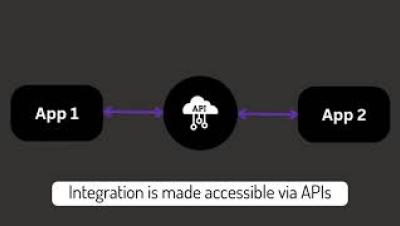
System integration is the process of combining different systems and software so that they can work together. It is also the process by which a system or application can interact with other systems, applications, or devices. Because each integration is unique, it is crucial to ensure that the tool you use to facilitate that integration is flexible enough to cover many cases.

How to Reduce Time Spent on Technical Debt Management

Raise your hand if your team has ever been forced to prioritize delivery speed over sound design. It happens all too often in the world of application development, and we’ve all been there. The compromises made in the rush to deliver value to your customers result in technical debt. As a delivery leader, you need to manage the repayment of technical debt, which taxes your productivity and is a potential source of functional and cyber risk.