Systems | Development | Analytics | API | Testing

Tomcat 11 Virtual Threads Demos

Virtual threads are now supported in Tomcat 11. In this video, Senior Enterprise Architect Bill Crowell walks through demos that show exactly how Java Virtual Threads behave in real applications — including how they perform under load, how they simplify concurrency, and how they integrate with Tomcat 11. This video is from the webinar "Taming Tomcat 11: Tips and Tricks for Java Teams" which took place in July 2025.

Tomcat 11 Migration & What to Expect in Future Tomcat Releases

Get practical advice on migrating to Apache Tomcat 11 and Jakarta EE 11. This video, featuring Java experts from Perforce OpenLogic, highlights what to consider as you plan your Tomcat migration, as well as available tools and steps for checking your source code. Plus, get insights into what may be coming in future Tomcat releases. This video is from the webinar "Taming Tomcat 11: Tips and Tricks for Java Teams" which took place in July 2025.

Ep 51 | Unlocking Healthcare's Data Potential With MDClone's Luz Erez

Turning complex, siloed medical data into accessible, actionable insight isn’t just a technical challenge; it’s a human one. In this episode of The AI Forecast, Luz Erez, physicist-turned-entrepreneur and CTO of MDClone, explores how synthetic data is transforming the way we use medical information for research, innovation, and patient care. Erez explains how MDClone’s platform manages tens of millions of patient records across hospitals worldwide—safely turning real data into synthetic datasets that preserve statistical accuracy while protecting privacy.

What is an AI Gateway? Key Benefits and Examples

Applications and systems using AI have exploded in popularity, with every company looking to integrate AI anywhere they can. This move toward AI-assisted and AI-powered products appears to be the future. However, early adoption is great, but gaps form quickly at scale. For example, in 2023 OWASP began to publish the OWASP Top 10 for LLM Applications (updated again in 2025), which outlined ten common security flaws found in LLM-based applications.

Get more from your Python integration testing with Honeybadger

Integration testing is an essential part of development, ensuring applications can survive the rigors of deployment and function in the real world. Getting the most out of them is key. It’s about making sure you write meaningful tests that ensure your code works as expected. If you’re running integration tests in Python, you may appreciate better visibility and deeper insights into application errors.

How to Write a PRD: Your Complete Guide to Product Requirements Documents

A Product Requirements Document (PRD) articulates the purpose, features, and functionality of a product. It is a blueprint for development teams to understand: While the exhaustive PRDs of the past are less common in today's Agile landscape, their core function remains the same: to align all stakeholders so that everyone from product managers to developers and testers shares a common vision.

University of Kent Enhances Digital Resilience and Data Availability with Hitachi Vantara Data Platform

Integrated solution powered by Hitachi Vantara VSP One data platform provides 80% faster recovery and 95% faster backup, delivering always-on services and sustainable IT supported by Trustmarque for 17,000 students and researchers.

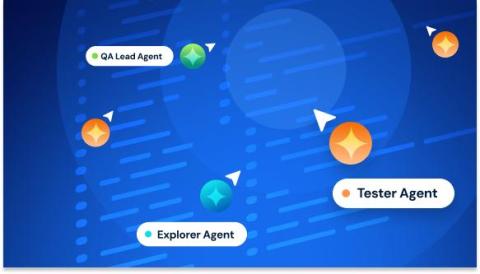
Now Available: AI Test Planner - Rainforest Crawls Your App to Deliver a Ready-to-Use Test Plan

Before you can test software, you need to know what to test. That’s where many QA teams stall out. They don’t have the right software testing tools for mapping the app, identifying user paths, and determining testing priorities. So, building a test plan can take days (or more) of manual work. It’s often slow, frustrating, and error-prone.

How to Build an Internal Chargeback Model for Your API and AI Usage Using Moesif

API and AI services now sit at the heart of modern products. However, the more we use them, the harder it seems to become to account for the budget. Launching an AI product often leads to massive end-of-period bills. This requires attributing costs to the key internal power users and consumption drivers. The challenge is identifying the departments, products, or projects responsible for the consumption, and the extent to which they contribute.