Systems | Development | Analytics | API | Testing

AI and Emerging Careers in Data Testing for QA Professionals

The emergence of AI has created uncertainties in the software and technology world. As it encroaches into the conventional application test-automation space, QA professionals might feel threatened or even cornered. While it is true that AI is changing traditional testing roles, it also opened new opportunities in the data testing space. But what does AI rely on? Obviously, data!

Qlik for Snowflake - From Ingestion to Insights

In partnership with Snowflake, Qlik helps customers modernize data estates end to end—from ingestion to insight—using Qlik Talend Cloud Data Integration and an internal data marketplace. With no‑code/SQL pipelines, thousands of secure connectors, and built‑in governance and lineage, Qlik automates trusted data movement into Snowflake and turns it into certified, reusable data products—an “app store for insight”—that accelerate time to value and power advanced analytics and AI.

Automated Security Testing: Comprehensive Guide to Modern Cyber Defense

Speed drives software development nowadays. Teams switch to daily deployments from quarterly upgrades. This pace stimulates innovation, although it also presents a considerable danger. The window for validating security diminishes with every run. Security teams sometimes struggle to keep up with the pace of current DevOps workflows. Manual reviews are too sluggish. The key to distinguishing a secure application from a vulnerable one is automated security testin g. It develops a system where.

What is Perforce Delphix?

I have spent years working alongside enterprise leaders who face a common dilemma: the need to innovate faster while contending with strict compliance regulations and soaring infrastructure costs. In my experience, the biggest bottleneck isn’t a lack of ideas or talent. It’s data. Teams wait days or weeks for the data they need to build and test. That’s why I am excited to share how Perforce Delphix solves this challenge.

Software Testing Strategies: A Complete Practical Guide (2026)

Software testing strategies define how I plan, structure, and execute quality checks across the entire software development lifecycle to maintain reliable software outcomes. With teams shipping faster through Agile, DevOps, APIs, and CI/CD pipelines, relying only on ad-hoc or manual workflows no longer works. I’ve seen structured strategies supported by the right tools become essential for controlling risk while still moving fast. Let’s explore how this works in real software teams.

Why Every AI Deployment Needs a Pre-Flight Data Checklist

You’re in the cockpit of a small plane, cruising a few thousand feet in the air. Then, out of nowhere, the airspeed dips and an alarm rings out. The nose drops, and you're in a full-out stall by the time instinct kicks in. You pull back on the yoke, trying to steady the plane, stop the descent and patch things up midair. But that’s exactly the move that seals your fate, sending you into a deeper spiral.

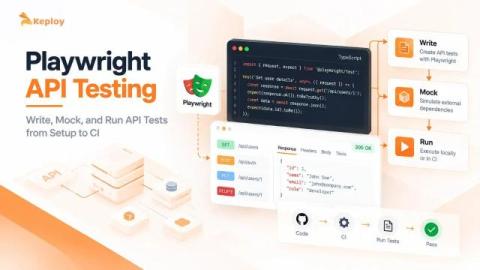
15 Best Automated API Testing Tools (Compared for 2026)

The number of API testing tools on the market for you and your team to try out and select will probably take forever. Here are several key considerations to keep in mind when choosing one: Smart Summary Our comprehensive analysis of automated API testing tools provides crucial insights for teams aiming to optimize their development workflows.

AI, Predictive Maintenance & Future of PropTech - With Joe Stockton, Oyster Data

In this episode of The Innovation Blueprint, Roman Havrylyuk (CEO of ORIL) talks with Joe Stockton, Co-Founder & CEO of Oyster Data, about how Oyster Data is transforming real estate operations with advanced asset management and AI-driven solutions. Learn how predictive maintenance is reshaping property performance and what the future holds for PropTech in 2026 and beyond. What we cover in this episode.

Why most leaders don't fully trust their data

Do you trust the data your business runs on? Many business leaders I speak with admit they don’t, at least not fully. They find themselves second-guessing dashboards, pulling manual reports “just to be sure,” or worse, relying on gut instinct to make critical decisions. This lack of data trust isn’t just an inconvenience; it’s a business problem.