Systems | Development | Analytics | API | Testing

Which Bugs AI Agents Fix Better With Traffic

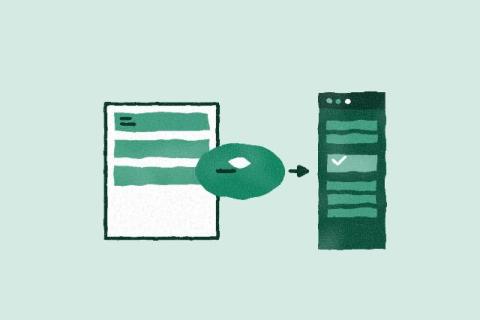
In the first experiment, I wanted a baseline: if an AI coding agent gets the same production signal a human would get, can it fix bugs in a codebase it has never seen? Yes, but only when I gave it better context. With only an alert, the agent passed 51% of the runtime tests. When I added captured traffic, the actual request and response for the failing call, it climbed to 77%. This post is the second pass.

Trusted data will define enterprise success in 2026

AI is transforming industries at an unprecedented pace. Boards are demanding AI roadmaps, CTOs are accelerating digital transformation, and each of those initiative sits on the same foundation: data. Here’s an uncomfortable truth: many enterprises can’t tell you whether that foundation is solid. They hope and maybe even assume it is, but they can’t be certain if they aren’t testing it.

SAP's Agent-led toolchain, explained

At Sapphire 2026, SAP introduced its latest vision for customers: the “Autonomous Enterprise,” a new model of business where AI agents run core ERP processes, from HR to finance and beyond. Reimagining the modern SAP enterprise also means reimagining its tools. At this year’s event, SAP renamed the Integrated Toolchain to the SAP Agent-led toolchain, revamping its role for a more intelligent enterprise.

Get Started With MCP Proxies on WSO2 Platform AI Gateway

Deploy an MCP server through WSO2 Platform AI Gateway in a few commands — running entirely on your own infrastructure. This quickstart shows you how to set up MCP proxies on WSO2 Platform AI Gateway as a standalone component via Docker. You'll start a sample MCP server, deploy it as an MCP proxy configuration to the gateway, and verify it using the official Model Context Protocol Inspector. What you'll cover.

What's Next in Perforce Intelligence: Building the Control Plane for Enterprise AI

Perforce Intelligence is in its next phase to help our customers and partners get solutions, platforms, and features that bring control at every stage of the AI software development lifecycle (AI SDLC). Read about the evolution of Perforce Intelligence and new platforms and features we’ve rolled out to make AI easier to adopt for production-ready environmental needs. Back to top.

EU Cyber Resilience Act: Is Your Software Compliant? (2026 State of Open Source Report)

What does the EU Cyber Resilience Act (CRA) mean for open source software, software supply chain security, and regulatory compliance? In this clip from the 2026 State of Open Source Report webinar, experts discuss how the European Union's Cyber Resilience Act (CRA) is reshaping software security requirements for organizations that develop, distribute, and integrate software products. The panel explores why the CRA is one of the most significant regulatory developments affecting the software industry and how it impacts both commercial software vendors and the open source ecosystem.

Open Source Security, Licensing, and Other Challenges (2026 State of Open Source Report)

Is open source licensing still a major challenge for enterprises—or has security become the bigger concern? In this clip from the 2026 State of Open Source Report webinar, experts from the Eclipse Foundation, Open Source Initiative (OSI), and Perforce OpenLogic discuss how open source adoption challenges have evolved over the past decade. While licensing complexity was once a top concern for organizations, the maturation of the open source ecosystem and the widespread adoption of well-established licenses have helped reduce that burden.