Systems | Development | Analytics | API | Testing

Lenses upgrade: powerful SQL, Connect multi-tenancy & message headers

We’re continuously releasing new capabilities to enable more people to be productive and compliant when working with Apache Kafka. Our engineers have been hard at work on a great Christmas present for our amazing community of Kafka users. Before unwrapping our latest and greatest release, here’s a sneak peak of what’s inside.

Enter the Next Level: Migrating to Cloud Native Platform

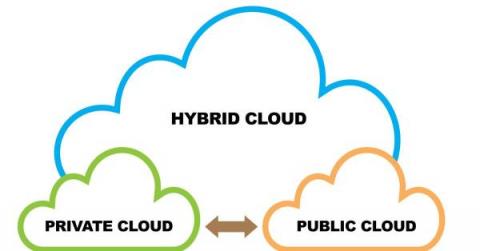
Organizations are moving from centralized data centers to distributed cloud native platforms. Due to the complexity of such a migration, an organization would be running a hybrid multi-platform environment which spans from the old to the new world. It starts at the edge of a system, using functionality provided by an API gateway or platform.

Exploding arrays in Kafka with lateral joins

In this article we are going to explore lateral joins. "What is a lateral join?" you may ask. It's a new kind of join that allows to extract and work with the single elements found inside an array, as if the array was a normal table. Lenses 4.1 comes with a lot of new features that make your life easier when working with arrays: we introduced 6 new functions to work with arrays, better support for array literals, and lateral joins.

Ship healthier code with Codecov and Bitrise - How to establish a code coverage benchmark | WEBINAR

Are you looking to improve your code quality to make your app development easier? Rewatch our webinar on-demand, and learn about the tools, processes and best practices of making code coverage part of your CI flow. What you’ll learn? In this webinar, we are exploring the most common code coverage metrics, tools and reports Codecov provides and we’ll show you how you can integrate Codecov and Bitrise to automate your code coverage reports and improve your code quality.

Snowflake Demo: Cross-Cloud Replication & Failover and Failback

Snowflake's cross-cloud replication & failover/failback support ensures high availability and quick recovery of data — no matter where or through which cloud provider your business operates. This demo video will walk you through how you would replicate a database across three clouds for business continuity purposes (from AWS US West in Oregon to Azure East US in Virginia to GCP Europe West in the Netherlands).

Data Lake Export Public Preview Is Now Available on Snowflake

Public preview of the data lake export feature is now available. Snowflake announced a private preview of data lake export at the Snowflake virtual summit in June 2020. Data lake export is one of the key features of the data lake workload in the Snowflake Data Cloud. The feature makes Snowflake data accessible to the external data lake, and it enables customers to take advantage of Snowflake’s reliable and performant processing capabilities.

How to add Bugfender to an Android Project

Adding Bugfender to an Android project is a two-minutes task that can save you hours of debugging in production. In this video we review the whole process from scratch. We start creating an Android app with Android Studio. Then we add Bugfender with Gradle and finally we configure a new App in the Bugfender's Dashboard. We use the last minutes to explain how the different logs work in Bugfender so you can get the most from the first minute.

How to configure clients to connect to Apache Kafka Clusters securely - Part 2: LDAP

In the previous post, we talked about Kerberos authentication and explained how to configure a Kafka client to authenticate using Kerberos credentials. In this post we will look into how to configure a Kafka client to authenticate using LDAP, instead of Kerberos. We will not cover the server-side configuration in this article but will add some references to it when required to make the examples clearer.

Automating Mobile Gestures with Appium

Mobile applications are becoming more and more important in our daily lives. From ordering clothes to grocery shopping, the services available via an app are increasing rapidly and users expect a seamless experience. This means that the automation focus is shifting more towards mobile devices.  But did you know that there is a huge difference between interacting with a desktop browser and a mobile app?