Systems | Development | Analytics | API | Testing

Modern Software Development For Today's Systems & Applications





Can We Still Trust the Code? #speedscale #qualityassurance #digitaltwin #trust #devops
The "Velocity Gap" is real. AI like Claude and GitHub Copilot are pumping out code faster than ever, but there’s a catch: Engineers don't trust it yet. We’re moving away from the old days of "clicking around" in a test environment, but how do we verify code at the speed of light? Ken breaks down why the future of QA isn't just "testing," it’s simulation. Video collab with @ScottMooreConsultingLLC Learn More: speedscale.com.

A Developer's Guide to MCP Servers: Bridging AI's Knowledge Gaps
Have you ever asked an AI assistant to generate code for a framework it doesn't quite understand? Maybe it produces something that looks right, but the syntax is slightly off, or it uses deprecated patterns. The AI is working hard, but it lacks the specific context it needs to truly help you. The Model Context Protocol (MCP) was designed to bridge this knowledge gap by giving AI assistants access to domain-specific knowledge and capabilities they don't have built in.
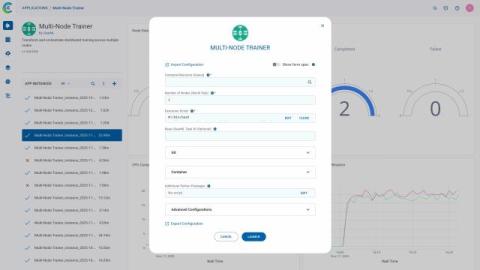
Multi-Node Training with ClearML
Orchestrating distributed AI workloads Distributed (multi-node) training has become a requirement rather than an optimization for many modern AI workloads. As model sizes grow, datasets expand, and training timelines tighten, teams increasingly rely on multiple machines, often with multiple GPUs each, to complete training efficiently.
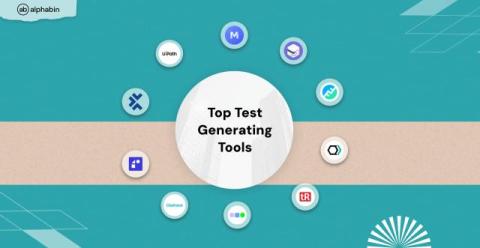
Top 25 Test Generating Tools
Software testing was once a slow and repetitive process that developers accepted as unavoidable, often consuming significant time without delivering proportional value. Traditional manual testing struggled to scale with growing application complexity and rapid release cycles. In 2026, test generating tools have reshaped this landscape by introducing automated test generation, AI-driven logic, and intelligent coverage strategies.
Best 5 Tools for Monitoring AI-Generated Code in Production Environments
AI-generated code is no longer experimental. It is actively running in production environments across SaaS platforms, fintech systems, marketplaces, internal tools, and customer-facing applications. From AI copilots assisting developers to autonomous agents opening pull requests, the volume of machine-generated code entering production has increased dramatically. This shift has created a new operational challenge: how do you reliably monitor AI-generated code once it is live?
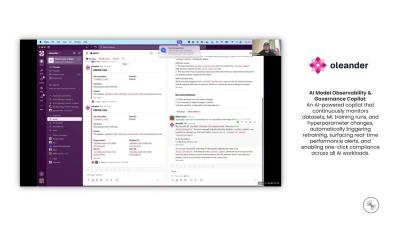
Confluent for Startups AI Accelerator Cohort-2 (November 2025)
Busie Agentic Driver and Vehicle Scheduling: Intelligent assignment of drivers and vehicles to trips using real-time data on driver location and availability, vehicle utilization, and customer sentiment to optimize efficiency, service quality, and outcomes.
Connect Databox MCP to ChatGPT: Chat With Your Data
Imagine asking ChatGPT "How are sales right now?" and getting the actual live number from your business instead of a generic answer. We're going to show you how to install the Databox MCP using ChatGPT's Developer Mode, so your GPT stops guessing and starts tracking your real-time KPIs.