Systems | Development | Analytics | API | Testing

Synthetic Data Pipelines and the Future of AI Training

Synthetic data pipelines are reshaping how AI models are trained. They generate artificial datasets that mimic real-world patterns, solving challenges like data scarcity, privacy concerns, and bias in training data. These automated systems streamline the entire process, from data creation to integration, offering faster and more scalable solutions compared to traditional methods.

Best LLM Testing Strategies for High-Performance Chatbots in 2025

Visualize launching a new AI chatbot for your business. It’s supposed to be perfect. But on day one, it recommends out-of-stock products, gives wrong order updates, and even provides wrong pricing information. Confusion spreads, support tickets pile up, and customers start to leave. It’s not always the chatbot’s intelligence, it’s the lack of testing before and after launch.

Opportunities And Challenges When Using LLMs In The Data Space

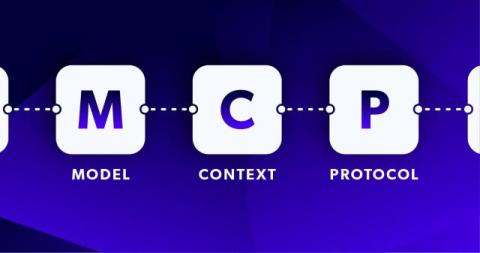
Large Language Models (LLMs) are transforming how organizations interact with their data infrastructure, offering unprecedented capabilities for both technical and business users. However, this transformation brings unique opportunities and challenges that vary significantly based on user personas, security requirements, and implementation approaches. This writeup explores these dimensions through the lens of practical implementation using tools like Keboola MCP and various client interfaces.

10 Best AI-Powered API Gateways for Seamless Automation

APIs are the foundation of modern software ecosystems—connecting applications, services, and databases so information can flow securely and efficiently. But as systems become more complex and businesses demand faster innovation, traditional, manual approaches to API management no longer scale. That’s where AI-powered API gateways come in.

Powering the Next Generation of AI Agents with ClearML's GenAI App Engine

The era of simple, scripted AI is swiftly fading. We’re now witnessing the dawn of AI Agents: sophisticated, self-governing digital entities that possess the capacity to comprehend their surroundings, navigate intricate problems, and execute purposeful actions. Multi-agent systems take this even further, multiplying these capabilities by enabling teams of AI agents to collaborate, delegate tasks, and solve challenges collectively in ways a single agent cannot achieve alone.

Kong Acquires OpenMeter to Bring API and AI Monetization to the Agentic Era

Today, we’re announcing that Kong has acquired OpenMeter, the open source and SaaS leader for real-time usage metering and billing. OpenMeter’s capabilities will be integrated into Kong Konnect, enabling usage-based pricing, entitlements, and invoicing for APIs, events, and AI workloads. This is a huge milestone for Kong, and we’re excited about what this means for our customers and the future of how you build and scale revenue-generating digital products for the agentic AI era.

Agentic AI in the Enterprise: The Hidden Layer Powering Autonomy

Agentic AI is transforming how businesses operate by enabling systems to handle complex tasks autonomously. Instead of relying on constant human input, these AI systems break down high-level goals into smaller tasks, make decisions independently, and improve continuously through feedback. Here's what you need to know: Key Features: Autonomously manage workflows and processes. Handle multi-step decision-making and problem-solving. Learn and adapt based on performance data.

Why CFOs Can't Ignore AI Auditability | Human-in-the-Loop Explained

Can you explain how your AI reached its financial conclusions? If not, you may be facing serious compliance risks. In this quick breakdown, Martin Baker, Product Marketing Lead for AI solutions at insightsoftware, explains why “black box” AI is becoming a liability in the boardroom and how human-in-the-loop design creates accountability and protects CFOs from Sarbanes-Oxley violations.