Snowflake Workloads Explained: Data Lakes

Snowflake’s cross-cloud platform breaks down silos by supporting a variety of data types and storage patterns. Data engineers, data scientists, analysts, and developers across organizations can access governed structured, semi-structured, and unstructured data for a variety of workloads, without resource contention or concurrency issues.

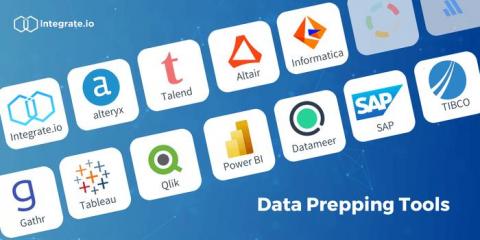
Power BI Data Preparation in 5 steps

Microsoft Power BI is a fantastic tool for data visualization and business intelligence. But as any data analyst can attest, before you can build metrics and dashboards, you need to spend more than 1/3 of your time preparing and cleaning the dataset for your Power BI instance. Luckily, there is a better way to cut down on this time-consuming task. In this article you will learn.

Isn't the Data Warehouse the Same Thing as the Data Lakehouse?

A data lakehouse is a data storage repository designed to store both structured data and data from unstructured sources. It allows users to access data stored in different forms, such as text files, CSV or JSON files. Data stored in a data lakehouse can be used for analysis and reporting purposes.

Transaction Support Using Apache Phoenix

This video provides a short demo on Apache Phoenix transaction support in Cloudera Operational Database (COD). COD supports Apache OMID (Optimistically Transaction Management In Datastores) transactional framework. The transaction support in COD enables you to perform complex distributed transactions and run atomic cross-row and cross-table database operations. The atomic database operations ensure that your database operations must either be completed or terminated.