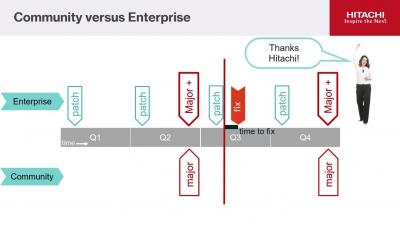
Pentaho Community Edition or Enterprise - which is right for you
This video compares Pentaho Community Edition (CE) vs Pentaho Enterprise Edition (EE).

BigQuery multi-statement transactions are now generally available and offer greater scale and additional functionality to handle the most complex of transactions.
Leading fintech companies AJ Bell, OrderPay and Tide are blazing a path toward better insights with a new, modern approach to data: self-service analytics.
In just a couple of weeks, I will be in Singapore for our first in-person Sales Kick Off since 2020, and I can’t wait to join colleagues as we prepare our organization for the year ahead – first in the APAC region, quickly followed by Europe and the Americas.
Is your data warehouse modern enough? Learn the differences, benefits and available tools and strategies for easy migration.
Five things to know about this topic: Just about every process used within a business generates some form of data. While some may see this information as useless, data analysis tools can turn it into a resource that helps your brand make better decisions in every aspect of its operations. Not all analytical tools are equal. However, the ones on this list can help you generate incredible insights that result in better decision-making.