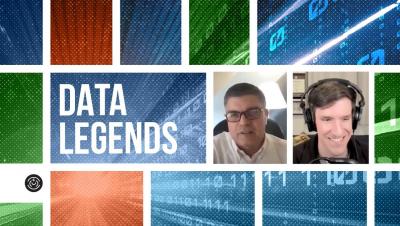
Data Legends Podcast Episode 7, Alex Rasmussen
Don’t miss our engaging conversation with Alex Rasmussen, Principal Cloud Economist at The Duckbill Group.

For decades, hundreds of enterprise Oracle ERP customers have taken advantage of the industry-leading capabilities for operational reporting and strategic analytics offered by Angles for Oracle (formerly Noetix.) If your organization is one of those customers, we want to make you aware of some exciting new features recently introduced to the latest platform version that improve agility, collaboration, and integration.
Odds are good that your team already knows that Wands for Oracle puts finance teams in control of their own reporting. Offering purpose-built software that deeply integrates with Oracle E-Business Suite in Excel, Wands gives you quick access to the real-time data you need, when you need it, without relying on IT or resorting to manual data dumps.
People analytics can help you understand employee pain points and take steps to retain top talent.
The algorithm team at WSC Sports faced a challenge. How could our computer vision model, that is working in a dynamic environment, maintain high quality results? Especially as in our case, new data may appear daily and be visually different from the already trained data. Bit of a head-scratcher right? Well, we’ve developed a system that is doing just that and showing exceptional results!
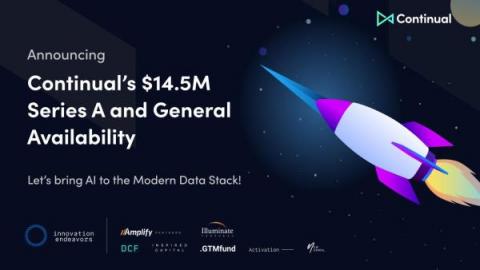
Today, we’re excited to announce the general availability of Continual, the missing AI layer for the modern data stack. We’ve also raised a $14.5M Series A, led by Innovation Endeavors and joined by Amplify Partners, Illuminate Ventures, Inspired Capital, Data Community Fund, Activation, New Normal, GTMfund, and angels Tomer Shiran, the founder of Dremio, and Tristan Handy, the founder of dbt Labs.