To IT leaders, it’s obvious that data strategy deserves a special place at the table for any discussion about strategic business initiatives. However, for CMOs and CROs like myself, who must justify and weigh expenditures against bottom line impact, investing in customer data typically looks like a red-ink proposition.
Big data has been revolutionizing the digital marketing landscape: organizations are gathering data from numerous sources; data streams are being collected at unparalleled speeds; and businesses are dealing with a variety of data structures, from emails to user behaviors to financial transactions.
Asking the right questions of your data and knowing what you are looking to find is a critical component for gaining insights from your data that drive specific actions. Data is not black and white; there is so much you can do with it. Accordingly, two people with the same data can come up with very different insights. This is because so much depends on the specific problem to be solved and the approach you take to solve it.
How to improve ROI on social media ads as regulations and technology change.
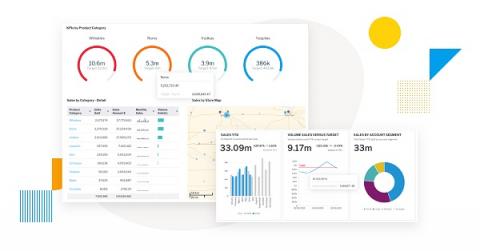
Tell us if this analytics scenario sounds familiar: your organization employs an analyst team that uses old technology, desktop data visualization tools, or homegrown reporting systems to manually build out static dashboards and multiple weekly or monthly reports. As a result, the data analysts have to manually generate and update business reports regularly, and teams cannot keep up. In turn, the rest of the organization is unable to make timely business decisions.