Systems | Development | Analytics | API | Testing

Zero-Code Snowflake APIs: DreamFactory for Non-Developer Teams

Data democratization is a strategic priority, but most organizations struggle to provide Snowflake access to non-technical teams. Business analysts, data scientists, and operations teams need data for dashboards, reports, and applications—yet they lack the programming skills to build API integrations. DreamFactory solves this challenge by enabling zero-code REST API creation from Snowflake, complith point-and-click security configuration, automatic documentation, and no programming required.

The CES Hangover: 3 Expensive Hardware Fails That Were Actually Software Problems

The dust has settled on Las Vegas. We saw transparent TVs, cars that drive sideways, and enough “AI-powered” toothbrushes to confuse a dentist. CES is incredible at selling the dream of hardware. The demos are slick, the lighting is perfect, and everything works on the showroom floor. But as engineers, we know the dirty secret of CES: The hardware is the easy part.

Building the Agentic AI Developer Platform: A 5-Pillar Framework

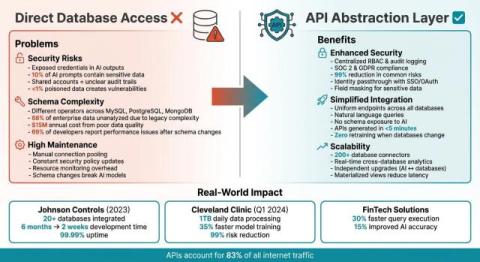
The agentic era is here, and it's exposing a critical gap in enterprise infrastructure. AI agents are no longer experimental. As many as 9 out of 10 enterprise organizations are actively adopting AI agents. Agents are making autonomous decisions, orchestrating complex workflows, and interacting with dozens of services in real time.

Zephyr walkthrough: Test management & automation for Jira teams

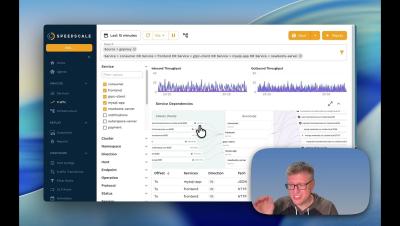
Discover how Zephyr transforms test management in Jira with this comprehensive walkthrough covering test automation, CI/CD integration, and scaling QA workflows. Struggling with fragmented testing tools, manual processes, and limited visibility into your QA pipeline? This complete Zephyr tutorial shows developers and QA teams how to build a unified, high-performance test management system directly in Jira – without compromising speed or collaboration.

Easy as 1-2-3: Insomnia's New Year Sprint to Better Workflows with v12.3

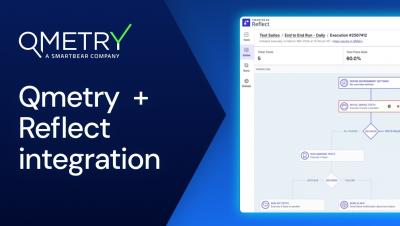
We’re excited to announce the general availability of Kong Insomnia 12.3! Kong Insomnia 12.3 TL;DR? Your New Year’s resolution is probably something along the lines of “work smarter, not harder.” Our resolution is to make that actually possible. Insomnia 12.1 and 12.2 sharpened your tools, and now Insomnia 12.3 removes the friction to allow you to focus on building great endpoints. Less maintenance, more momentum.

API Product Management Guide: 6 Strategies for the Full Lifecycle

As APIs evolve into the strategic connective tissue of digital products and AI, organizations often fail to unlock their value due to a critical misalignment between business goals and technical execution. To transform APIs into genuine growth levers, enterprises must embrace full-lifecycle API product management, prioritizing upfront strategy, robust contract design, and scalable developer experiences over mere endpoint creation.

YAML vs JSON: Which Format Fits OpenAPI Better?

YAML is often the better choice for OpenAPI specifications due to its readability and ease of manual editing. It uses indentation instead of braces and brackets, supports inline comments with #, and handles multi-line text more naturally. This makes YAML easier to maintain and understand, especially for teams collaborating on API documentation. However, JSON has its strengths too. Its strict syntax ensures precision, making it ideal for automated workflows and machine-driven processes where speed matters.

REST API Generator for Quick Development

Creating a RESTful API from scratch can be a tedious task, especially when you're juggling tight deadlines or multiple projects. That's where a tool like our REST API Generator comes in handy. It takes the grunt work out of building endpoints by automating the process, letting developers focus on what matters—crafting great applications. Simply provide your database schema or a JSON outline, select a framework, and watch as fully functional CRUD operations are created for you.

How To Improve DORA Metrics In Modern DevOps Pipelines

Today, software is produced at lightning speed, but speed without quality can create chaos in production. That’s why high-performing teams rely on DORA metrics to assess the speed and efficiency at which they are delivering their changes, while still being able to maintain a stable environment. The DORA metrics can allow engineers to take their software delivery process and convert it from an "on-demand" to a "data-driven" model.