On this page you’ll learn more than you ever thought you needed to know about WebSockets with React, including how to build a smooth realtime cursor experience from scratch. We’ll jump into the tutorial, which uses React on the front and Node on the back soon but, first, let’s start with some general guidance when it comes to WebSockets with React.
Today’s world demands agility, and only the organizations with the right tools will adapt to the changing pace of business.
In today's dynamic financial landscape, threats are not only escalating but also rapidly evolving. At the same time, regulators impose stricter transparency and compliance requirements on financial institutions. So, how can decision-makers navigate this challenging environment, with relentless cyber threats coming at them from one side and rising regulatory demands from the other?
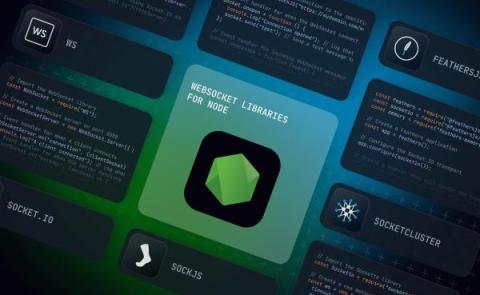
As a developer, choosing the right Websocket Node library to integrate into your realtime application project can be a humbling experience. You are faced with a lot of choices that offer different capabilities and features that will allow you to build scalable and efficient applications. However, given the constantly changing landscape, a crucial question remains: have you selected the most suitable one? Are there other options that could enhance your project even more?
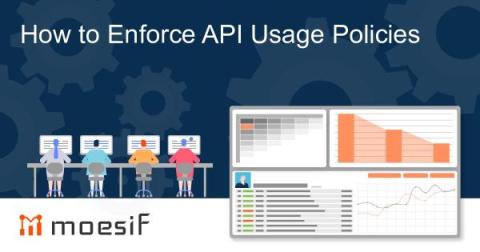
One of the most difficult aspects of creating an API service for public consumption is the balance between developer control and user freedom. Ensuring that users can leverage an API to new heights requires a certain amount of freedom, both in modality of usage and in applicability of the use case. The security of underlying systems and the API itself relies on controlling this usage and ensuring a level of control for the greater good.
Closed-captioning for television systems was first demonstrated in the early 1970s. Realtime closed-captioning was developed later in the early 1980s. Here, stenotype operators who type at speeds of over 225 words per minute provide captions for live television programs, allowing the viewer to see the captions within two to three seconds of the words being spoken was developed later in the early 1980s.
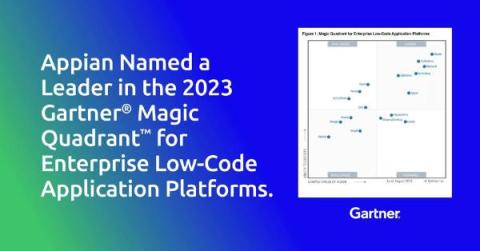
Gartner® released its Magic Quadrant™ for Enterprise Low-Code Application Platforms (LCAP) this week, and we’re pleased to announce that Appian is named a Leader. Gartner evaluated 17 vendors in this report to create a complete view of the enterprise low-code application market.