Build a CI/CD pipeline for Flask apps using GitHub Actions
Get up and running with automated testing and deployment of your Flask app using GitHub Actions and Heroku.


Get up and running with automated testing and deployment of your Flask app using GitHub Actions and Heroku.
We launched the Mobile DevOps Assessment, then shared the results. Now it’s time to look at 5 apps, like Reddit and Wise, that reached Mobile DevOps maturity and the metrics that helped them get there.
Businesses today know that operational efficiency, effectiveness, and productivity are keys to competitive advantage. And process automation tools are being adopted more and more because they help IT and business leaders turn those goals into reality. If you’ve spent time researching ways to boost efficiency by taking advantage of automation opportunities, you’ve likely come across the related terms hyperautomation (which is synonymous with process automation) and intelligent automation.
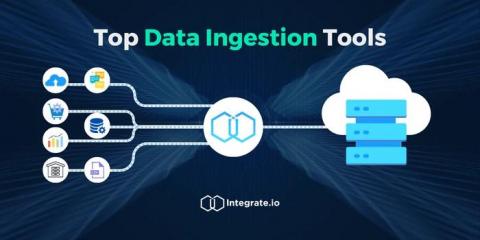
Accelerate the extraction, loading, storing and transformation of data — including data from SAP systems — for faster, richer manufacturing insights.
Learn why parallel testing is a powerful tool for development teams to have in their automated testing strategy.
Manufacturers today are implementing a range of new technologies to increase operational efficiency and create visibility and flexibility across value chains. These include robotics, automation, data analytics, IoT, and artificial intelligence (AI) and machine learning (ML), according to Deloitte. Company leaders hope these innovations will help them create more productive and resilient supply chains, improve production quality and efficiency, and mitigate risks.
Data observability is a critical aspect of any data-driven business. It refers to the ability to monitor, understand, and troubleshoot data quality issues in real-time. In essence, data observability ensures that data is accurate, reliable, and accessible. It involves collecting and analyzing data from various sources to gain insight into how data is being used, how it is flowing through the system, and whether it is meeting the required quality standards.
Many organizations are experiencing a digital transformation to keep pace with the rapidly changing technology landscape and the increasing demand for faster time-to-market. By embracing Agile principles, like collaboration, iterative development, and continuous feedback, you can respond more quickly to changing requirements and market conditions. But these transitions don’t happen overnight.