Kotlin Multiplatform Mobile (KMM): more CI/CD tips and tricks
In this blog, we'll show how you can import your project manually or as an iOS project. I’ll also present a few step combinations that can be used to test and deploy your KMM apps.
In this episode of Kongcast, I had the pleasure of speaking with Viktor Farcic, developer advocate at Upbound, about why empowering developers to manage the full application lifecycle helps app development teams increase efficiency.
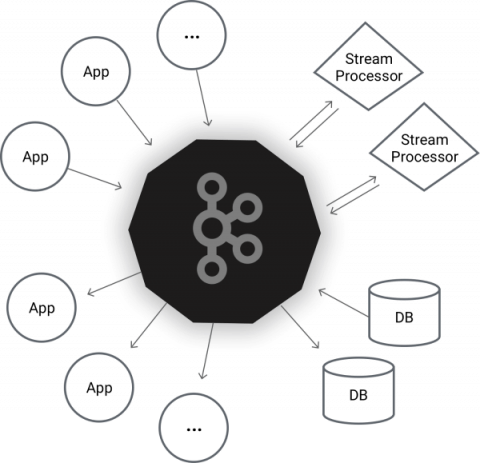
An event indicates a state change: that something has happened. This ‘something’ could be a hardware sensor reading that passes a threshold, or a software event from game logic, or user input such as a keystroke or mouse click. Events are used to signal to interested parties that a state change occurred.
In this three-part blog series, we examine the critical role Kubernetes plays in shaping the future of infrastructure, including the rise of containers and Kubernetes. The first in the series covers Next-Generation Application Development. The second covers the Next Frontier: Container Orchestration. And the third covers How Kubernetes Gets Work Done.
When power company executives were asked to list the most important issues facing their organizations, 45% overwhelmingly cited their top concern as “renewables, sustainability or the environment.” At the same time, global energy consumption continues to rise faster than the population. These two realities are reshaping the international energy sector. The push to produce more energy, in a greener manner, is propelling the industry to re-imagine the power grid of the future.
Organizations are more often running data and applications on multiple clouds, and that’s great. However, multi-cloud isn’t enough. To let loose the true power of data on your business, you must be cross-cloud. Cross-cloud means data moves easily between multiple public clouds without any additional work. It means never worrying about where your data and applications live or where your business and technical people are located.
Support for unstructured data is now in public preview! That’s one of many of the exciting announcements made in September, in addition to a new serverless tasks feature, expanded public cloud regions, enhanced business continuity capabilities, and several new providers on Snowflake Data Marketplace.