Systems | Development | Analytics | API | Testing

Yellowfin Launches Certified CData Connectors

AUSTIN, TEXAS, USA - December 8, 2022 - Yellowfin, Inc. (“Yellowfin”), a leading global provider of BI and data analytics software, today announces a global partnership with CData Software, a premier provider of real-time data connectivity solutions, to extend the capabilities of Yellowfin with 250+ high-performance CData connectors.


All the Features A Robust Data Lake Should Have

From databases to data warehouses and, finally, to data lakes, the data landscape is changing rapidly as volumes and sources of data increase. With a growth projection of almost 30%, the data lake market will grow from USD 3.74 billion in 2020 to USD 17.6 billion by 2026. Also, from the 2022 Data and AI Summit, it is clear that data lake architecture is the future of data management and governance.

Interview With CTO Mahe Rangareddy

For the next interview in our series speaking to technical leads from around the world, we’ve welcomed experienced CTO Mahe Rangareddy. Mahe Rangareddy is the Chief Technology Officer at Alpha Omega Integration, a government contracting company in Tysons VA. An expert in data analytics, he promotes innovation and improvement within the company.

A story of Lazy Loading File System Operations for better dev system performance

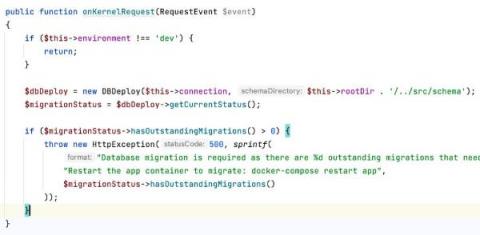
In this blog post I want to share a story of a performance bottleneck using the filesystem that we experienced in our development setup. In the Tideways backend, we have a simple homegrown database migration tool that scans a directory for.sql files and applies them if not already done. It is a very old piece of code that I used since before the times of doctrine/migrations. It is much simpler but works for us.

A First Look at Hanami 2 for Ruby

As of today (06/12/2022), Hanami 2.0.1 has been released. Read more about the enhancements, bug fixes and gems in release 2.0.1. Hanami 2 was released on 22 November, concluding four years of work on this version. It brings a breath of fresh air into Ruby's web development community. Version 2.0 is not just an incremental upgrade. One could say it's a project written anew, with bright ideas from version one rebuilt on top of a solid dry-rb libraries ecosystem.