Systems | Development | Analytics | API | Testing

Playwright Virtual Users: Load Testing What Real Browsers Actually See

This is the third post in our "Features Sitting Idle" series, where we shine a light on OctoPerf features that are already in your account but rarely used to their full potential. This is a blind spot many teams discover too late. Tests pass, metrics look fine, yet real users report slowness or errors after a release. The root cause is almost always the same: the load test was built against the HTTP protocol layer, but the user pain happens in the browser, above that layer.


Driving Down Ingestion Costs to Unlock More Budget for AI Value

One line from Snowflake Summit 2026 stood out above everything else. Christian Kleinerman, EVP of Product at Snowflake: "We do not want any of you spending money with Snowflake, in any use case, if you are not getting more value in return." It's a refreshing commitment, and it points directly at the cost efficiency conversation we've been having with customers around open lakehouse architectures. Here's the core argument: data movement doesn't directly generate value.

Building a Data Foundation for AI Is a Rewarding Experience

AI runs on data, and global enterprises are awash with petabytes of data. That might suggest that it’s easy for companies to advance their businesses through the power of AI. Yet enterprise data is often fragmented across departmental and technological silos, and that data is often inconsistent, ungoverned and disconnected from mission-critical systems. As a result, many AI initiatives stall before they can deliver operational value, and the root cause is rarely the model.

Build Compliant AI Agents With Stateful Stream Processing

The EU AI Act's general provisions are already in force, and high-risk AI system obligations apply from August 2026. The National Institute of Standards and Technology (NIST) AI Risk Management Framework and its Generative AI Profile set the baseline for what auditors expect, framing governance around four functions: identify, measure, manage, and monitor. Deploying artificial intelligence (AI) agents in regulated environments isn't a sandbox experiment anymore. It's a strict governance challenge.

Build vs Buy Streaming for Real-Time RAG: 2026 Guide

Moving a retrieval-augmented generation (RAG) prototype from a Python notebook into production isn't an API orchestration challenge. It's a distributed systems problem. For engineering managers and data platform leads, the build-versus-buy decision on streaming infrastructure will dictate your artificial intelligence (AI) feature velocity for the next three to five years. This guide assumes you've already prototyped a RAG pipeline.

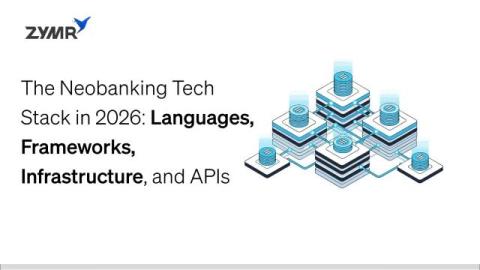
The Neobanking Tech Stack in 2026: A Complete Architecture Deep Dive

Here’s the uncomfortable truth. You don’t just choose a neobank technology stack, you commit to it. And that commitment compounds over time. In 2026, most fintech teams are no longer debating cloud native or API first, that part is settled. The real question is alignment. Does your architecture actually match your business model, your licensing path, and your scale ambitions? Because once you grow, changing your stack is not a simple rewrite.

Fixing 403 auth errors when you replay traffic

Trigger warning: this one is about Java, authentication, and Docker Compose files. If that is not your thing, I am sorry, but they are part of life and they are honestly not that hard to work with. Everything here is open source on our GitHub repo, so you can follow along. Recording an authenticated Java flow, replaying it, hitting the dreaded 403, and fixing it with a proxymock recommendation.

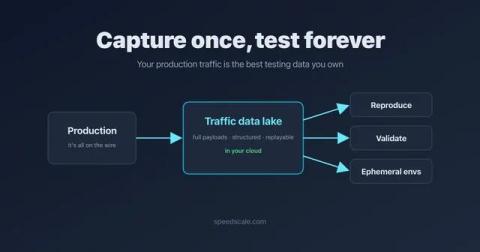
Capture once, test forever

We’ve gotten used to understanding our applications through signals, summaries, and traces. Tiny little bits of information about how the app really works. Not because that’s the best way to do it, but because it’s been too hard to get the real thing. The real information exists. It’s on the network. How people called your app and what your code did. What other systems it called, the database queries it made, and the result sets that came back.

What Is MTTR? Definition, Formula & Benchmarks (2026)

MTTR is the metric that tells you how long your users wait after something breaks. According to Splunk and Cisco’s Hidden Costs of Downtime 2026 report, unplanned downtime now costs organisations an average of $15,000 per minute. Across the Global 2000 companies, the aggregate annual cost has surged to $600 billion, a 50% increase in just two years. Engineering teams shipping to production multiple times a day face a simple reality: incidents aren’t a matter of if.