Systems | Development | Analytics | API | Testing

Best Tools for API Compression and Serialization

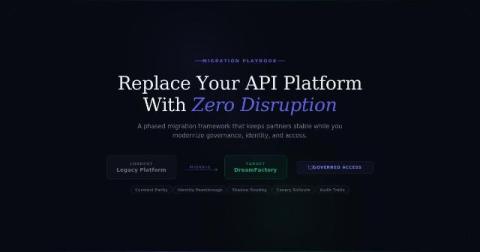
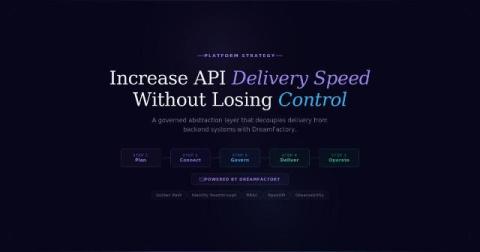
In the world of APIs and microservices, choosing the right tools for data compression and serialization can drastically improve performance, reduce bandwidth costs, and streamline communication. Here's a quick breakdown of five popular tools and their strengths: DreamFactory: Simplifies API creation with automated JSON serialization, strong security features, and support for over 20 databases.

Beyond User-Based Pricing: How Flexible Analytics Licensing Accelerates Growth

You’re building the next generation of your product, but you’re not sure whether embedding analytics is the right move. The demand is clear: According to insightsoftware and Hanover Research’s Embedded Analytics Report, self-service analytics and managed dashboards are of key importance for nearly all embedded analytics buyers, in large part because customers expect data insights, dashboards, and reporting built right into your application.

Levels of Autonomy in Software Development: Closing the Gap Between Creation and Confidence

When the automotive industry introduced the concept of Levels of Autonomy, it gave us a shared language for something profound. It wasn’t just about self-driving cars, it was about how humans and intelligent systems work together as execution gradually shifts from one participant to the other. Level 0 is full human control. Level 5 means the car can handle any situation on its own. And between those two extremes are a series of stages that capture both technological progress and human adaptation.

Just Say No to AI: Why Our Content Will Remain Human-Authored

At WSO2, our content is grounded in original thinking and hard-earned lessons from building real enterprise systems with our products. We apply first principles to shape our perspective on our strategy and forward thinking. No model can replace this experience. AI is valuable when used by thoughtful authors, but alone it does not deliver meaningful value to our readers, customers, or community.

What ADA Compliance Means for Government Software

Accessibility for constituents isn’t just about ramps and elevators—it’s also about technology. As more government services and operations move online, ensuring digital accessibility is just as important as ensuring physical spaces are accessible. Under Title II of the Americans with Disabilities Act (ADA), state and local governments are required to provide equal access to all programs, services, and activities for people with disabilities.

Debugging Without a Net: The Pain of Reproducing Production Issues

Every engineer has been there — a late-night page, a broken feature in production, and no clear way to reproduce it. The logs are vague. The metrics look normal. Your local environment works fine. Yet something somewhere is failing for real users. So begins the detective work — debugging a live system with almost no tools, no perfect test data, and no clone of production.

Configuration Made Simple: Why Low-Code Fits Government Procurement

Government procurement is anything but one-size-fits-all. Each agency’s unique mission drives the need for procurement flexibility—from the data they need to capture to the systems they connect with. What works for defense organizations may not align with a civilian agency’s processes. Procurement systems shouldn’t hold the mission back—they must be flexible enough to move at mission speed.

Simplify Guidewire Data Masking: Protect Customer Data Without Slowing Development

Your approach to Guidewire data masking could be inhibiting innovation at your company. Insurance companies have been racing to accelerate digital transformation. But I’ve watched many neglect to properly protect sensitive information in their environments. The risk is real and immediate. Every development cycle, QA test, and sandbox refresh becomes a potential compliance violation. Or worse, it could lead to security gaps for bad actors to exploit.