Systems | Development | Analytics | API | Testing

Advanced Marketing Analytics: Examples, Tools & Courses

Advanced marketing analytics help you simplify multitouch attribution, create tailored marketing campaigns, and maximize return on investment (ROI) across channels. It helps you seek patterns and insights to improve marketing performance. These days, you can’t do online marketing without advanced analytics. Moreover, you need the right tools and skills to make sense of data scattered across multiple apps.


10 Best Data Ingestion Tools for Data Teams in 2023

Tired of manually correcting broken data ingestion pipelines? We’ve got 10 tools that can help you save data engineering hours and automate data ingestion end-to-end. Of course, since you’ve landed on the Keboola blog, it's no surprise that we've got Keboola on the list. We’re playing favorites, but hear us out: Keboola is the only tool we know inside out and can vouch for it without a doubt.

ThoughtSpot for the Connected Google Workspace

I’m calling it now. The next battleground for analytics adoption among business users will be the productivity suite. Let’s unpack that statement by considering these two examples: Traditional BI has always forced you down a one-way street for answers—drop what you are doing, login to the BI tool, and pray to the data deities that you can find the answer you’re looking for.

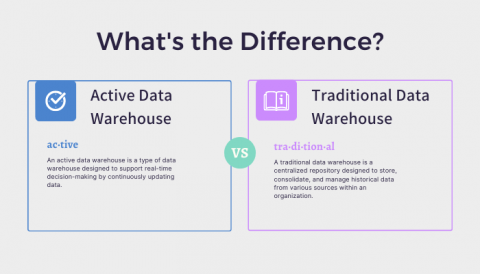
Active Data Warehouses vs. Traditional Data Warehouses

In the digital age, data is the lifeblood of any organization. The way you store and analyze your data can significantly impact your success. This is where data warehouses come into the picture. Data warehouses are essential for businesses of all sizes, as they provide a central repository for data from a variety of sources, which can then be used for analysis and reporting. This data can be used to make better business decisions, improve operational efficiency, and identify new opportunities.

Data Lake vs Data Warehouse

Data warehouses and data lakes represent two of the leading solutions for enterprise data management in 2023. While data warehouses and data lakes may share some overlapping features and use cases, there are fundamental differences in the data management philosophies, design characteristics, and ideal use conditions for each of these technologies.

Introducing Confluent Platform 7.5

Introducing Confluent Platform version 7.5, which offers a range of new features to enhance security, improve developer efficacy, and strengthen disaster recovery capabilities. Building on the innovative feature set delivered in previous releases, Confluent Platform 7.5 makes enhancements to three categories of features: The following explores each of these enhancements and dives deep into the major feature updates and benefits.

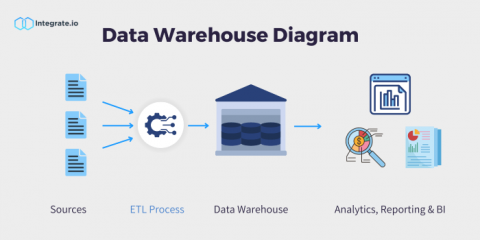
What is a Data Warehouse & Why Are They Important?

In today's digital era, a data warehouse stands as a pivotal cornerstone for businesses. A data warehouse is defined as a digital repository that houses an organization's vast amounts of data, it serves as both a vault and a library, ensuring data is not only safely stored but also easily accessible. Being able to access your company’s data is critical to business success.

A Best-In-Class Analytics Platform: Yellowfin GM Update To Customers

Today, I’d like to share updates on the strategic direction of Yellowfin and highlight how our investment aligns with our commitment to embedded analytics and enterprise BI. We recently released Yellowfin 9.9 which continues to improve the quality of our powerful platform. In the last several years Yellowfin added many new features, and we want to make sure that they work flawlessly. Based on your positive reviews, we are pleased to report our excellent progress.