Systems | Development | Analytics | API | Testing

Defining a Technical Architecture

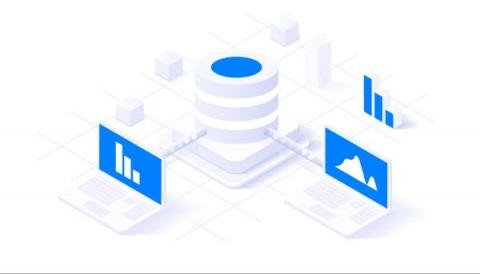
When doing long-term planning for an organization, it is really helpful to start with a statement of what the architecture is and what that architecture will encompass. The architectural definition of the technology that will be used will serve as a long-term guide for making technical decisions. In addition, a properly built architecture serves as an instrument of focus, direction, and prioritization for the organization.

Hunting Marginal Gains - Why Data Makes the Difference

When you’re racing around a circuit at over 200mph, there isn’t much room for error. There's a team of thousands backing you, millions of dollars on the line and a grid of other teams vying for the podium. In motorsport, every millisecond counts – and that’s where data can make the difference. This is what I spoke to Joe DosSantos about in the latest episode of Data Brilliant.

You Can't Hit What You Can't See

Full-stack observability is a critical requirement for effective modern data platforms to deliver the agile, flexible, and cost-effective environment organizations are looking for. For analytic applications to properly leverage a hybrid, multi-cloud ecosystem to support modern data architectures, data observability has become even more important. I spoke to Mark Ramsey of Ramsey International (RI) to dive deeper into that last subject.

Data Governance Framework Policy - What Do You Need to Know?

According to IDCs Global Datasphere, 64.2 ZB of data was created in 2020 alone. This number is projected to grow by 23% annually from 2020-2025. Therefore, we need data governance frameworks for efficient data management and control. This will help us extract maximum value out of such high volumes of data. Such frameworks would be required for data integrity, data protection, and data security. Indeed, according to BDO, the average data breach cost has been estimated to be around USD 3.8 million.