Systems | Development | Analytics | API | Testing

The 6 Best FREE Open-Source ETL Tools in 2023

Data integration can be a daunting task, and data engineers usually prefer open-source ETL solutions because of their transparency (you can always inspect the code), flexibility (tinker with the tool), and price performance (no vendor licenses, no maintenance fees). But there are many “gotchas!” with open-source tools you need to consider before picking the best tool for the job.

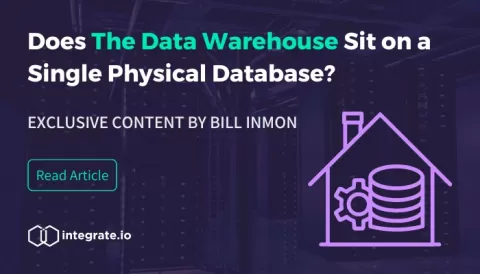
Does the Data Warehouse Sit on a Single Physical Database?

This is a guest post for Integrate.io written by Bill Inmon, an American computer scientist recognized as the "father of the data warehouse." Inmon wrote the first book and first magazine column about data warehousing, held the first conference about this topic, and was the first person to teach data warehousing classes. Five things to know about this topic.

The 7 Costly and Complex Challenges of Big Data Analytics

re:Invent 2022 is just around the corner and we couldn’t be more excited to share the latest ChaosSearch innovations and capabilities with our current and future customers in the AWS ecosystem. Enterprise DevOps teams, SREs, and data engineers everywhere are struggling to navigate the growing costs and complexity of big data analytics, particularly when it comes to operational data.

Democratizing marketing data with BigQuery and Looker

Welcome back to the marketing analytics series where we teach practitioners about Google Cloud marketing analytics solutions. In this video, Kelci shows how you can democratize marketing data with BigQuery and Looker. Watch to see how you can use Looker Blocks and Looker Action to help your company achieve a successful marketing mata strategy and share insights across your organization. Chapters.

Transforming Business Through The Power Of Data

Srini Nachinarkiniar, Accenture's Global Snowflake Practice Lead, sees every business as a data business. In this interview with Data Cloud Now host Ryan Green, Trini expands on this philosophy and discusses its three core principles: That data provides a strategic core, the importance of building an intelligent data foundation, and finding the right talent to establish a data culture.