ReadyAPI - Pulling changes and working with merge conflicts
In this video a SmartBear engineer will take you through how to work with merge conflicts when using ReadyAPI and GIT.


Kong will crash on the ARM64 platform (the machine with Mac M1/M2 chips or any ARM64 platform). The error message shows the crash is triggered by the SIGILL signal, which means there is an illegal instruction in the Kong binary code. And it turns out to be caused by an error in the LuaJIT ARM64 JIT compiler. This post records how the error is found and fixed.
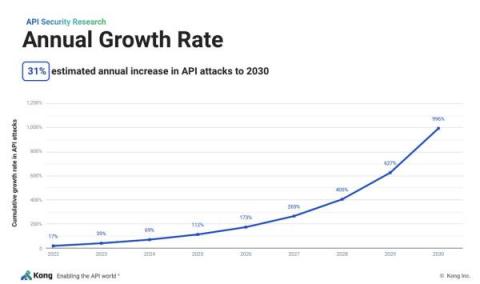
APIs have revolutionized every industry. They fuel digital transformation and power the web, making up more than 83% of global internet traffic. And API adoption will only grow, with AI, Web3, and decentralization only further driving API usage and integration. But these sometimes-overlooked enablers of connectivity and communication present a serious security challenge: APIs are increasingly in the crosshairs of cyber-attackers.
In the past decade, chat apps have gone from being a disruptive new technology to something we use every day. Today, WhatsApp boasts over 2 billion daily active users, by far the market leader, followed by WeChat with 1.3 billion and Facebook Messenger at just under 1 billion. Chat apps, put simply, are going nowhere. In that time, customers have come to expect a consistent experience across their chat apps – and a core set of functionality has evolved across all major providers.
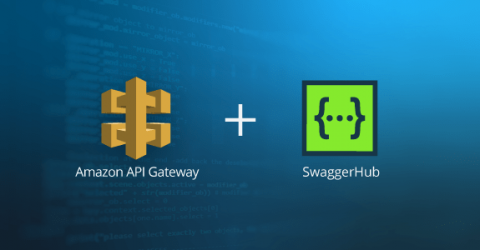
One of the hardest debates is deciding between a code-first API approach or design-first. In an ideal world, we would deliver our APIs at maximum velocity, with minimum maintenance. To maintain the appropriate API consumption, the world has looked at Amazon’s API Gateway as the orchestration of resources to create, deploy, and manage APIs at scale. One of the biggest challenges users face when using any API Gateway is the lack of consistency and standardization throughout the API experience.
We’re excited to announce that Kong is now working with Cloudsmith to host our community edition and enterprise edition gateway packages. With new hosting comes a couple of changes to how you, our loyal customers, will be receiving our software.