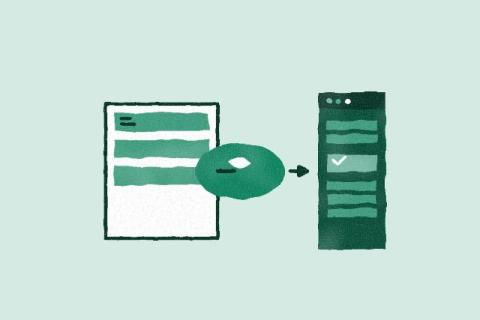
Testing complex UI elements like CAD software, Google Maps, or Citrix environments often leads to brittle tests and false negatives. Vision AI solves these automated testing challenges by recognizing elements just like a human would, reducing manual testing efforts, and improving accuracy. Discover how vision AI strengthens automated testing for visually complex applications. This tutorial shows you how to enhance object recognition in SmartBear TestComplete and eliminate test failures caused by 3D applications, canvas-based apps, and virtualized environments.
While unit tests ensure that individual functions work in isolation, end-to-end testing verifies that an application performs exactly as designed from the first click to the final confirmation.
If you’ve spent any time working with Oracle ERP data, you know this tale: your dashboards look polished, but the numbers inside them are hours or days old. The promise of modern cloud ERP was real-time business intelligence, yet most finance and operations teams are still clicking through static reports, waiting on IT for extracts, and making decisions based on business data that no longer reflects what’s actually happening.
Usability is now the deciding factor in load testing adoption. Technical depth alone no longer sets a platform apart. Teams gravitate toward intuitive dashboards – not because they look nice, but because they make performance data accessible and actionable. If your load testing tool buries insights in dense tables or outdated charts, don’t be surprised when testing falls by the wayside.
Enterprises are facing one of the most significant infrastructure pivots in a decade. Between rising AI adoption, escalating data‑sovereignty requirements, and the industry‑wide shift away from legacy virtualization stacks, organizations are under pressure to move faster—without compromising resilience, control, or budget. Recent industry data underscores this urgency.
Everyone is talking about vibe coding—Claude Code, MCP, custom CLIs—using LLMs to turn intent into working logic. It’s fast. And if you aren’t leaning into it, you’re already behind. At Appian, we meet developers where they are. But speed alone doesn’t define success, and there’s a massive difference between a good workflow and a better one. Locking developers into one way of doing things is a losing strategy. That’s why we are releasing MCP and CLI tools.
Modern Kafka deployments struggle with a familiar tension. You want fine-grained access control per client, per team, and even per request. However, traditional ACLs force you into static, cluster-level configurations that are brittle, hard to scale, and painful to maintain. Administrators are often forced to manage massive, hardcoded lists of topics and users. But what if you could dynamically craft these ACLs using identity context?
Hey, did you know? 62% of government executives say data privacy and security concerns are blocking AI adoption. That’s why Cloudera’s Hilary Billingslea shares why private AI is becoming essential for defense agencies in Cyber Defense Magazine’s 2026 RSA edition.