If your business is in the process of digital transformation, IoT technology may be factoring into your plans. IoT gives organizations across industries new opportunities to foster a more direct connection with customers. It lets them collect new data, turn that data into insights, and then turn insights into action. IoT has become so prevalent that companies in most industries can’t afford to put off adopting it.
Data transforms businesses. When done right it creates value and allows business leaders to make the most advantageous decisions, in real-time. That’s where the data lifecycle comes into play. Managing data and its flow, from the edge to the cloud, is one of the most important tasks in the process of gaining data intelligence.
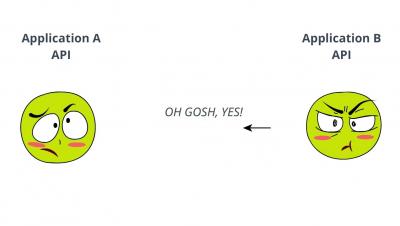
APIs are created so that users can use them as a bridge to connect to applications and services. There are thousands of APIs available for consumption, and each API is unique. But it’s really easy to consume APIs to extend the capabilities of your Linx apps, even complex ones that require OAuth 2.0 tokens. Let us show you how with a real-life example.
The first-ever release of Selenium WebDriver 1.0 in 2007 has indented a lasting footprint in web automated testing. And through the years, the contributions of the Selenium project (WebDriver, Grid, and IDE) have truly transformed the way that we do quality assurance. Fast forward to the ‘drop-in’ release of Selenium 4 and Selenium 4.1, this article narrows down the top 5 changes you need to know for WebDriver, IDE, and Grid.