

Systems | Development | Analytics | API | Testing

The latest News and Information on Software Testing and related technologies.

What Breaking AI Applications Taught Us About Building Reliable Ones

The global industry is currently in a feverish rush to "AI-enhance" every facet of the digital landscape. However, a critical distinction has emerged: while building an AI-integrated application is relatively simple, engineering one that maintains operational integrity in a production environment represents a watershed moment for modern engineering teams. BugRaptors spent the last year inside the intricate internal logic and non-deterministic layers of AI application testin g.
Is OpenTelemetry overkill? There's a lazier (and better) way. #speedscale #sre #ebpf #kubernetes

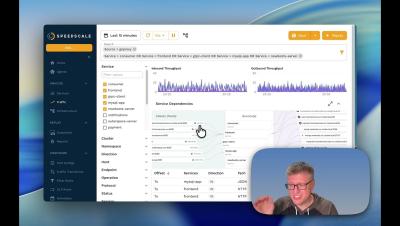
If you "aspire to be lazy" like we do, you know that building staging environments and mocking complex back-ends (like MySQL, AI models, and 3rd party APIs) is a massive time sink. In this demo, we show you how to use Internet Magic (aka eBPF) to: Stay tuned for Part 2, where we take these recordings and spin up a staging environment automatically.

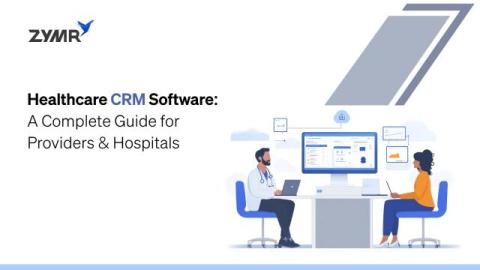
Healthcare CRM Software: A Complete Guide for Providers & Hospitals

Most of us can book a flight or order groceries in seconds with just a few taps on our phones. We’ve come to expect that same ease in every part of our lives, especially when it comes to our health. But for many patients, booking a simple doctor's visit still feels like a game of phone tag. While hospital staff are left juggling too many different systems just to get one person through the door.

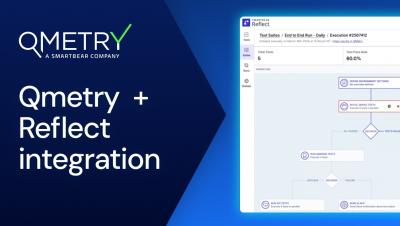
AI test automation with full visibility | Qmetry + Reflect integration

In this demo, you’ll see how Reflect and QMetry work together to connect automated testing with test management. In this short walkthrough, test execution from Reflect flows directly into QMetry, giving your team better visibility, reducing manual effort, and helping you move faster without losing control of quality. If you’re looking to scale testing while keeping everything organized and traceable, this integration is built for you.

Turn test data into release insights with AI | SmartBear MCP for Zephyr

Testing teams need to know if they’re ready for a release. Getting answers within Jira, however, often means jumping between multiple screens and reports. In this demo, see how you can query your test data with SmartBear MCP for Zephyr to get insights directly from your testing system of record, so you can make faster, more informed release decisions. From within AI tools like Copilot, Claude, or VS Code, you’ll learn how you can.

The quiet crisis in software quality - and what autonomous testing changes

There’s a tension building inside most engineering organizations right now, and not many people are talking about it openly. AI has given development teams an extraordinary gift: the ability to build faster than ever before. Features that once took days can be prototyped in hours. Applications that required large teams can now be scaffolded by a handful of engineers with the right tools. By almost every measure of development velocity, we are living through a remarkable moment.

AI Coding Agents Break What Works

Your AI coding agent just made every test pass. Ship it, right? Not so fast. A growing class of AI-generated bugs doesn’t come from writing bad code. It comes from the AI changing working code to accommodate its own mistakes. This isn’t a theoretical risk. It’s happening now, in production codebases, and it’s harder to catch than any bug the AI might introduce from scratch.

Create tests in Reflect directly from your coding agent!

If you’ve used Claude Code, GitHub Copilot, Cursor, or any coding agent, you already know the feeling. You describe what you want in plain language, the agent figures out the steps, and you watch it work. When something goes wrong, it backs up and tries a different approach. Reflect now brings that same agentic workflow to test automation. Through the SmartBear MCP server, any coding agent that supports MCP can connect to Reflect and build tests from high-level objectives.

Beyond the Dashboard: Using Telemetry to Solve the Unknown Unknowns of Performance

Your dashboards are lying to you, not through bad data, but through incomplete data. They show you what you told them to watch. They cannot show you what you did not know to ask. Telemetry-driven performance engineering uses metrics, logs, traces and profiling to detect and diagnose issues that traditional dashboards cannot capture. The failures that hurt most are not the ones you predicted; they are the ones your monitoring was never designed to catch.