Mailchimp
Not subscribed to OpsMatters Newsletter


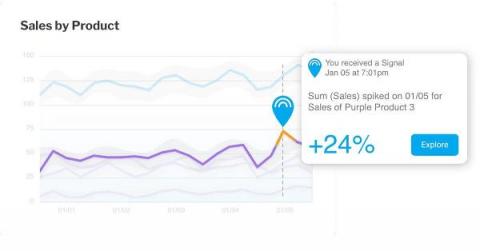
One of the things we've done a lot of work on at Yellowfin is automated business monitoring (ABM), specifically with our product Yellowfin Signals. It can truly transform organizations and help them to deliver insights faster, ones they can react on. ABM has been in the market for about five years but we haven't seen it take off just yet. One reason is that automated business monitoring challenges the status quo of the data analyst.
Personal Identifiable Information (PII) has become a headache for most digital-first businesses in recent years. Everyone agrees we need rules to keep personal data safe, but there’s no universal PII Data Protection Act we can all follow. Instead, there is a worldwide patchwork of regulations, many of which have global implications. Sweden is one of the pioneers in data security laws.
Centralize all your company’s growth marketing channels’ data into one place for easy analysis.
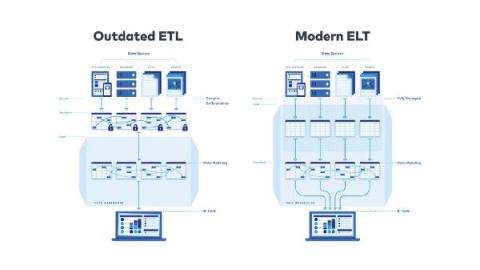
Learn about ETL and ELT so you can decide which method works for you.
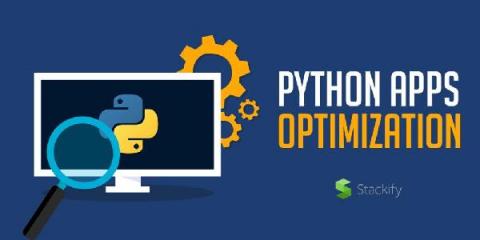
Python optimization is the solution to speed performance issues. But, when do you optimize, and what parts of the code should be optimized? This article will help you answer these questions. Developers always want to efficiently write neat code. However, things are quite different when working with a Python-based data science project. There will be situations where you need Python optimization. However, there are cases where optimization yields irrelevant results.
The top brands in the world strive to deliver more of what their customers want in the most convenient and delightful way possible. L’Oreal is relaunching 600 of their 3,000 different websites in just 3 years to impress their customers with a more personalized shopping experience, including AI-powered shopping assistants and color-matching. In this post, we introduce you to the tools that top retail brands are using to meet their digital experience objectives.
The key differences between Stitch, Jitterbit, and Xplenty: The average business pulls data from 400 different locations, which makes it tricky to generate valuable data insights. Data-driven organizations use an Extract, Transform, and Load (ETL) platform to pull all this information into a data lake or warehouse for deeper analysis. However, many businesses lack the technical skills (like coding) to facilitate this process. The three tools in this review make ETL workflows easier.