Systems | Development | Analytics | API | Testing

Turn test data into release insights with AI | SmartBear MCP for Zephyr

Testing teams need to know if they’re ready for a release. Getting answers within Jira, however, often means jumping between multiple screens and reports. In this demo, see how you can query your test data with SmartBear MCP for Zephyr to get insights directly from your testing system of record, so you can make faster, more informed release decisions. From within AI tools like Copilot, Claude, or VS Code, you’ll learn how you can.

The quiet crisis in software quality - and what autonomous testing changes

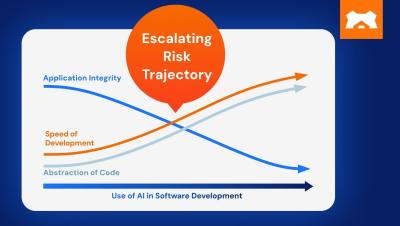
There’s a tension building inside most engineering organizations right now, and not many people are talking about it openly. AI has given development teams an extraordinary gift: the ability to build faster than ever before. Features that once took days can be prototyped in hours. Applications that required large teams can now be scaffolded by a handful of engineers with the right tools. By almost every measure of development velocity, we are living through a remarkable moment.

Designing MCP Servers for Observability

Observability is the key to understanding and improving MCP servers. These servers connect AI agents to tools, but without visibility, issues like slow responses, errors, or security risks can go undetected. Observability helps track how agents interact with tools, pinpoint failures, and optimize performance.

Everything we announced at our Agentic Quality Engineering Platform launch

Over 1,000 people around the world tuned in as Tricentis CEO Kevin Thompson and VP of AI David Colwell unveiled our new integrated platform, followed by a live demo from Enterprise Solution Architect Matt Serpone. From our headquarters in Austin, Texas, we unveiled a unified solution designed to help enterprises treat quality as a coordinated system rather than a collection of disconnected tools.

AI Coding Agents Break What Works

Your AI coding agent just made every test pass. Ship it, right? Not so fast. A growing class of AI-generated bugs doesn’t come from writing bad code. It comes from the AI changing working code to accommodate its own mistakes. This isn’t a theoretical risk. It’s happening now, in production codebases, and it’s harder to catch than any bug the AI might introduce from scratch.

Policy-Driven APIs for AI: Best Practices | DreamFactory

Before rolling out policy-driven APIs, it's crucial to have a governance framework in place. This framework should clearly outline who makes decisions, how approvals work, and how exceptions are handled. Interestingly, while 71% of organizations claim to have data governance programs, only 25% actually put them into practice. Even fewer - just 28% - have enterprise-wide oversight for AI governance roles and responsibilities.

DreamFactory 7.4.5 Release: MCP Aggregate Data Tool, Cursor IDE Support, and Production Stability

DreamFactory 7.4.5 ships the aggregate_data MCP tool — a purpose-built tool that lets AI agents compute SUM, COUNT, AVG , MIN, and MAX directly on the database server in a single call. This release also adds Cursor IDE OAuth compatibility, a desktop OAuth success page for smoother onboarding, server-side aggregate expression support across all SQL connectors, and critical MCP daemon stability improvements including request timeout guards and global error handlers.

How to Teach Your AI Agent to Build Keboola Data Apps

You can build Data Apps inside Keboola with Kai. But what if you prefer working with Keboola via MCP, in Claude Code, Cursor, or another AI-powered editor? Want to build a JavaScript Data App that Kai doesn't support yet? That's what the Keboola AI Kit is for. It's a set of skills you install into your agent so it knows how to work with Keboola - how to query your data, how to structure a Data App, how to deploy it. Here's how to set it up.

Does your AI stack need a session layer? A maturity framework for teams building AI agents

Most teams building AI agents start with HTTP streaming. It's the right starting point. Every major agent framework defaults to it, it gets tokens on screen fast, and for a single-user prompt-response interaction it works well. The question is when it stops being enough - and how to recognise that before it turns into user experience problems, engineering waste, and technical debt that constrains what your product can do.