Systems | Development | Analytics | API | Testing

How to Optimize iOS Push Notifications in Production

Push notifications are one of the most powerful retention tools in mobile. iOS opt-in rates average 40–45%, and apps that use push effectively can triple their long-term retention. However poorly timed, poorly crafted alerts can drain our open rates, leading to opt-outs and disengagement. When designing iOS push notifications, we need to think about engagement and retention, not just impressions.

How to Fix a React Native Production Bug Without Waiting for App Store Review

There is a specific kind of dread that comes with finding a critical bug in a production React Native app. The fix is usually straightforward: a broken API call, a logic error, a UI state that did not account for an edge case. You can see exactly what went wrong and exactly how to correct it. The code change might take an hour. What takes days is everything that comes after. App Store review. Google Play review. Waiting. Watching your crash reports climb.

Build vs Buy Real Estate Software: How to Make the Right Call

Choosing between building and buying real estate software isn’t just a technical decision—it shapes how fast you move, how much control you keep, and how far your product can scale. Whether you’re launching a PropTech startup or modernizing an existing real estate platform, the wrong choice can lock you into costly limitations, while the right one can become a competitive advantage.
Sponsored Post

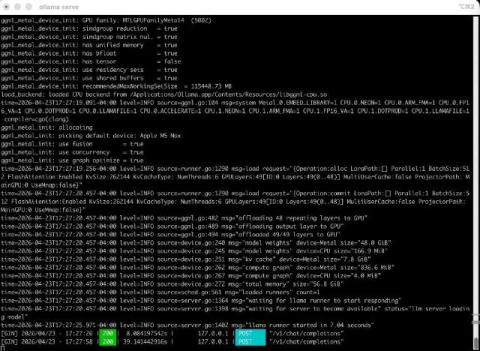
Run Local LLMs on Mac to Cut Claude Costs

Part of the motivation for this post is how cloud API economics are shifting: Anthropic is moving large enterprise customers toward per-token, usage-based billing (unbundled from flat seat fees), which makes "always call the API" a moving cost line for teams at scale. A hybrid or local layer is one way to keep spend bounded while you still use premium models where they matter.

Playwright Test Agents & MCP: A 2026 Architecture Guide

Playwright test agents are LLM-driven execution loops that wrap Playwright's browser automation in a goal-oriented reasoning layer. Instead of executing pre-written scripts, an agent receives high-level intent ("complete checkout and verify the success modal"), inspects the page's accessibility tree, and chooses which Playwright tool to invoke next. The Model Context Protocol (MCP) is the standardized bridge that exposes Playwright capabilities to the LLM and returns structured page context back.

The debugging agent for developers: runs locally and eliminates PR slop

The Multiplayer debugging agent is purpose-built for developers working with coding agents. It captures all the data observability tools miss and manages the whole process from bug identified to bug fixed. AI coding assistants are great at writing code. They are not great at fixing bugs in production and the reason is simple: they don’t have runtime visibility.

Monitoring, Audit Trails, and Compliance with ClearML

The previous posts in this series built the security model layer by layer: identity, configuration governance, service account automation, compute policies, and production model serving. This final post covers what holds all of it together: the monitoring and audit layer that records every action, every API call, and every resource event and makes the full picture visible to the people responsible for it. It accompanies our Enterprise AI Infrastructure Security YouTube series.

Omni-channel AI: The next frontier for Data and Analytics

What marketing mastered years ago, product teams are only now beginning to understand. For decades, marketing has operated on a simple but powerful principle: don't make your customers come to you, go to them. Meet them on the channels they already use, speak in the language they already speak, and show up where they already spend their time. The result was omni-channel marketing, a discipline that transformed how brands engage with the world.