SQL is the universal language of data modeling. While it is not what everyone uses, it is what most analytics engineers use. SQL is found all across the most popular modern data stack tools; ThoughtSpot’s SearchIQ query engine translates natural language query into complex SQL commands on the fly, dbt built the entire premise of their tool around SQL and Jinja. And within your Snowflake data platform, it’s used to query all your tables.
Enabling data and analytics in the cloud allows you to have infinite scale and unlimited possibilities to gain faster insights and make better decisions with data. The data lakehouse is gaining in popularity because it enables a single platform for all your enterprise data with the flexibility to run any analytic and machine learning (ML) use case. Cloud data lakehouses provide significant scaling, agility, and cost advantages compared to cloud data lakes and cloud data warehouses.
Organizations are improving the quality of their marketing analytics at less cost, which is translating into more overall marketing efficiency – all by adopting the modern data stack.
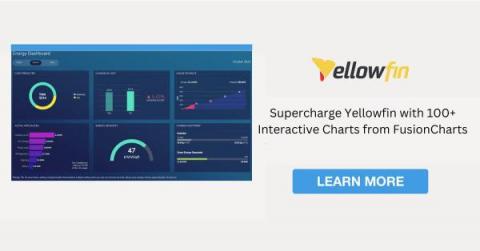
Analytics and data visualizations have the power to elevate a software product, making it a powerful tool that helps each user fulfill their mission more effectively. To stand apart from the competition, today’s software applications need to deliver a lot more than just transaction processing. They must also provide insights that help drive better decisions, alert users to matters that require their attention, and deliver up-to-the-minute information about the things that matter most.
Today, we’re hearing from telematics solutions company Geotab about how Google BigQuery enables them to democratize data across their entire organization and reduce the complexity of their data pipelines.