See how to use MLRun 1.7 to fine-tune a generative AI banking chatbot, ensuring it answers only relevant banking inquiries. Watch the full tutorial and follow along!
In today’s hyper-competitive market, where users have countless options at their fingertips, one truth stands out above all: quality keeps a user. The quality of your product, particularly its user experience (UX), directly determines whether customers stay with your brand or leave for a competitor. As your business evolves an exceptional UX is crucial – achieving this starts with a thoughtful approach to test automation.
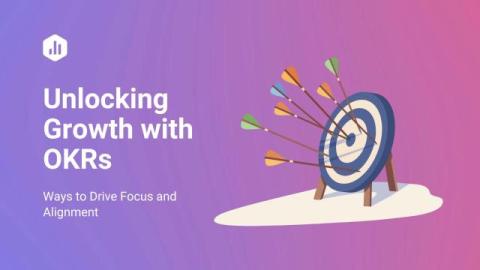
The OKR (Objectives and Key Results) framework is an approach used by companies that sets goals to improve alignment, engagement, and performance. OKRs became well-known after being used by Google and Intel and are now widely accepted across various industries, especially SaaS businesses.
Let’s be real – client reporting often feels like the marketing world’s equivalent of doing taxes—tedious, time-consuming, and to be honest, not the reason you got into this field. Adding to the frustration is the fact that, more often than not, many clients don’t even understand their reports. That’s why marketers often talk about how reporting feels like a necessary evil. But what if we looked at reporting as a tool for client retention?
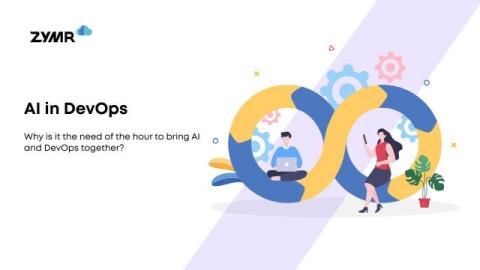
They started in awe, which soon turned into desperation to keep up, and it is only now that we have started realizing the utility and business value of our Artificial Intelligence (AI) goals. I like this stage of our industrial revolution, where we are no longer expecting magic from AI but are integrating it nevertheless for all the wonders it can still do for our businesses. This was the same space where our DevOps efforts started yielding enterprise-level transformations.
UI testing helps to ensure that the UI of your website or mobile app behaves as expected and that a high-quality user experience is maintained. This guide covers the basics of automated UI testing and how it can help your organization perform full UI testing more efficiently and consistently.
Business leaders find themselves involved in a range of high-priority tasks, most of which require making critical decisions. Let’s say you’re the sales head of a global organization. You’re ready to make an important decision about next quarter’s sales strategy, but you must first look at the right data set. You know it exists somewhere in your organization’s databases, yet it’s not within the arm’s reach.
Organizations must constantly seek ways to improve their operations and drive efficiency. Two concepts gaining traction in this quest are process intelligence and process mining. While these terms may sound similar, they serve distinct purposes and can provide different insights into your processes. Understanding the differences between them is crucial for organizations aiming to enhance productivity and streamline workflows.
In the insurance industry, the claims process can often feel like a complex maze of manual processes for both customers and agents. However, new and advanced technologies are paving the way for smoother, more efficient claims handling. Claims processing automation at insurance companies can streamline routine tasks, reduce risk of errors, and enhance customer satisfaction. In this blog, we’ll explore three key areas to focus on for effective automation.
With minimal human intervention, you can gain BI insights faster through our automated data warehouse design, development, deployment, and maintenance.