The Top 10 Databox Features You Might Have Overlooked
These 10 Databox features will allow you to make your performance data more accessible and insightful so you and your team can focus on what matters most.


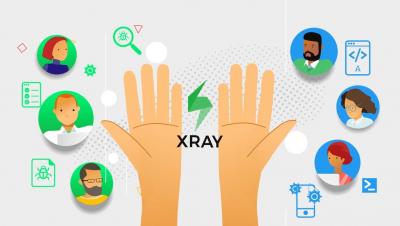
Is your team able to pivot with changing demands, accelerate new features, and provide the highest product quality? Being agile allows you to move fast, make changes, and keep quality at the center of your work. Xray empowers your team to strive towards continuous improvement, optimize testing efforts and exceed quality goals with features and workflows that support agile methodologies.
In this guide, we are going to see what a Docker health check is and how to configure it for your Docker containers. A Health Check means to check the health of any resource to determine whether that resource is operating normally. Here, it is about checking the health of Docker containers. If you’ve been using docker containers in production, you might have noticed that docker checks the status of a container by using the status of the process (PID) launched from the Docker file command.
This quarter we’ve been working on many improvements that will make your life easier when catching those sneaky bugs, and expand Bugfender’s capabilities with some of the most requested features: We hope you find all these updates useful!
For the past two years, Appian has scored high marks in both categories, landing in the upper right corner of the Magic Quadrant as a leader.