Get your BigQuery production sample, all self-serving
BigQuery, PubSub, Scheduler, Monitoring and more work together to make your DevOps processes easier with sampling data.


BigQuery, PubSub, Scheduler, Monitoring and more work together to make your DevOps processes easier with sampling data.
The new, automated open-source data migration tool moves Teradata, Hive, Redshift, and Oracle data warehouses from on-premises to BigQuery.
When it comes to geospatial data, BigQuery can help you store and analyze it, while Tableau can provide powerful visualization capabilities.
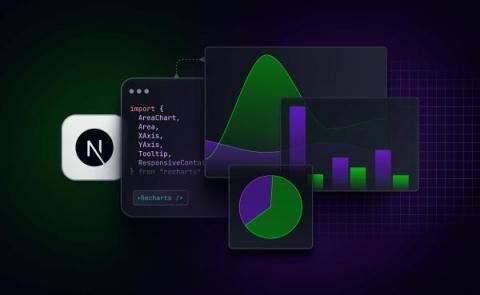
One of the common methods that businesses and organizations use to make sense of their complex and scattered data is data visualization. Data visualizations provide a quick way to understand the masses of data collected - - providing easy access to insights needed to drive growth. A dashboard is a data visualization tool that is commonly found in enterprise web applications.
APIs serve as the foundation for how software systems and services communicate and exchange data. But unmanaged and unsecured APIs can open up massive vulnerabilities that lead to disastrous security breaches and data leaks without proper governance. With API-related attacks increasing — and set to increase 996% by 2030 — unmanaged APIs are a very real security threat. How do you implement reliable API security without slowing down innovation or blowing up costs?
In Flutter’s early days in 2019, I developed a live object detection system for a major German company, despite the platform’s constraints. With release of Flutter 3.7 and advancements of TensorFlow have catalyzed the need to refine or overhaul this approach. This article discusses the newest techniques in live-stream object detection as showcased in the flutter-tflite GitHub repository.