Systems | Development | Analytics | API | Testing

Cross-cluster associations in Rails

One of the beauties of the Rails framework is the ability to utilize Ruby on Rails associations in your models. These associations allow you to access collections of records in your code with pleasant syntax, abstracting away the need to write underlying SQL queries. That abstraction holds as long as all your data lives in one place. The moment your tables are spread across separate database clusters, certain association types stop working.

How to Add Intent and Metadata to OpenAPI in Swagger Studio for AI Agents

Modern APIs aren’t just read by developers anymore; they’re also interpreted by tools and AI agents. In this video, Solutions Architect Joe Joyce walks through how to enrich an OpenAPI definition in Swagger Studio with meaningful metadata such as descriptions, summaries, operation IDs, tags, schemas, and examples. You’ll see step-by-step how these additions help tools and automated agents better understand API intent, purpose, and semantics. This turns your OpenAPI definition into a contract that scales beyond documentation.

Choosing an Analytics Deployment Model: SaaS, Single-Tenant, or Self-Hosted?

Most teams evaluate product analytics platforms based on features, integrations, and pricing. Few evaluate the underlying deployment model. That usually works - until it doesn’t. As products scale, analytics moves from being a dashboarding tool to becoming critical infrastructure. Performance expectations increase. Compliance reviews become stricter. Internal stakeholders demand reliability. At that point, the deployment architecture behind your analytics system starts to matter.

EP 67 | The "Wobbly" Nature of AI: Governing an Unpredictable Technology

AI governance is the Achilles heel of most enterprises. As organizations accelerate AI adoption, boardrooms face urgent questions about cybersecurity, compliance, resilience, and regulatory risk. In this episode of The AI Forecast, Paul Muller meets with Shoshana Rosenberg, author of “Practical AI Governance: Building a Program for Oversight and Strategy,” and creator of the Prism AI Governance Framework, about how leaders can build adaptable AI governance programs that strengthen their resilience to this susceptibility.

Why SaaS is Dying (and what's next) #speedscale #saas #data #datasecurity #devops #technews

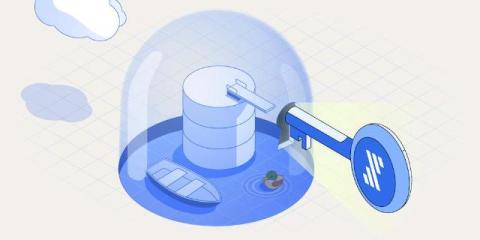
Traditional SaaS is a data trap. It’s time to stop sending your most valuable asset to third parties. Enter BYOC (Bring Your Own Cloud): the future of data sovereignty, where the software comes to you. Visit: speedscale.com.

Cutting Storage Media Costs and Risks in a Supply Chain Crunch

If you’re responsible for keeping storage reliable, secure, and cost-efficient, 2026 planning is shaping up to be uniquely challenging. A perfect storm of pressures like ongoing semiconductor constraints, concentrated manufacturing, and unprecedented AI-driven demand are reshaping day-to-day infrastructure operations. The challenges introduced by the global supply chain crunch, however, are especially risky.

Multi-device AI session continuity: how cross-device conversation sync works

You start a research task on your laptop, the network drops during a meeting, and when you open your phone to continue, the conversation is gone – you re-prompt, get partial duplicate results, and lose 30 minutes of work. The delivery layer dropped it. That's one of the most consistent problems teams hit when building AI applications. It's particularly acute in customer support, where a session belongs to the conversation - not to any single device, connection, or participant.

Reinvent Workflows and Consolidate Systems Without Code Translation or Data Migration

If you are like most enterprise leaders, you are managing a sprawling estate of hundreds—or even thousands—of disjointed legacy applications built on outdated frameworks, consuming an estimated 55% to 80% of your IT budget just to "keep the lights on." This legacy drag stifles innovation. Yet the traditional answer—"rip-and-replace"—often makes things worse. Multi-year, high-risk projects that rewrite everything from scratch can be catastrophic.