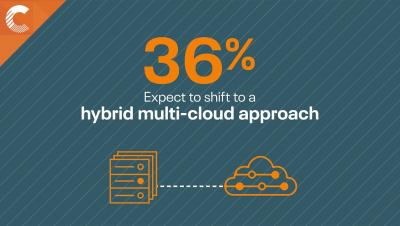
At this point, we can pretty confidently project that the cloud isn’t going anywhere. In the last few years, we’ve seen critical production workloads move to the cloud en masse—and that’s only going to continue. Now that the shift has occurred, other companies will need to get on board as well. The question is no longer if a company should adopt cloud but when and how. Ajeet Singh, ThoughtSpot’s Co-founder and Executive Chairman, is no stranger to embracing change.
We are thrilled to announce that Google has been named a Leader in The Forrester Wave™: Cloud Data Warehouse, Q1 2021 report. For more than a decade, BigQuery, our petabyte-scale cloud data warehouse, has been in a class of its own. We're excited to share this recognition and we want to thank our strong community of customers and partners for voicing their opinion. We believe this report validates the alignment of our strategy with our customers’ analytics needs.
Fivetran continues to help companies gain visibility into their AWS environment through additional integrations.
How do you integrate data from Amazon RDS (Relational Database Service) with data from other sources such as S3, Redshift, or even MongoDB? The answer is Xplenty. Our data integration on the cloud lets you join data from various sources and then process it to gain new insights. What about storing the results back to RDS? No problem; Xplenty does that as well.
Whether you're breaking up a monolith or building a green-field application, you may consider using a microservice architecture. Like all app architectures, this model brings opportunities and challenges that a developer must be aware of in order to make the most of this app design. One such challenge is ensuring communication between your microservices.
There’s a common misconception that as soon as a business signs up for a solution from a cloud service provider (CSP), that the CSP will automatically ensure all their dealings in that cloud environment are safe and secure. As dedicated as Cloud Service Providers are to cybersecurity, that’s simply not possible. Your cloud provider has no control over the customer data you share, the aptitude of your employees, or how you optimize your own on-premises security and firewalls.