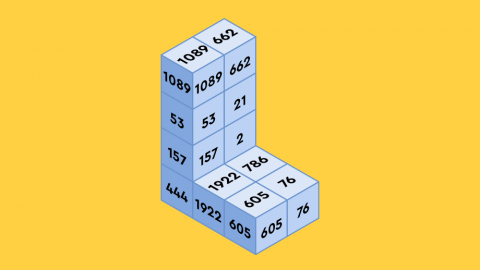
In this article we are going to explore lateral joins. "What is a lateral join?" you may ask. It's a new kind of join that allows to extract and work with the single elements found inside an array, as if the array was a normal table. Lenses 4.1 comes with a lot of new features that make your life easier when working with arrays: we introduced 6 new functions to work with arrays, better support for array literals, and lateral joins.
Public preview of the data lake export feature is now available. Snowflake announced a private preview of data lake export at the Snowflake virtual summit in June 2020. Data lake export is one of the key features of the data lake workload in the Snowflake Data Cloud. The feature makes Snowflake data accessible to the external data lake, and it enables customers to take advantage of Snowflake’s reliable and performant processing capabilities.
In the previous post, we talked about Kerberos authentication and explained how to configure a Kafka client to authenticate using Kerberos credentials. In this post we will look into how to configure a Kafka client to authenticate using LDAP, instead of Kerberos. We will not cover the server-side configuration in this article but will add some references to it when required to make the examples clearer.
The ability to discover insights from past events, transactions and interactions is how many customers currently utilize Qlik. Qlik’s unique approach to Business Intelligence (BI) using an in-memory engine and intuitive interface has democratized BI for typical business users, who usually have little to no technical savvy. But, for many years, organizations have only been able to analyze metrics or KPIs of “what has happened” (i.e., descriptive analytics).