Mailchimp
Not subscribed to OpsMatters Newsletter


One of the hardest debates is deciding between a code-first API approach or design-first. In an ideal world, we would deliver our APIs at maximum velocity, with minimum maintenance. To maintain the appropriate API consumption, the world has looked at Amazon’s API Gateway as the orchestration of resources to create, deploy, and manage APIs at scale. One of the biggest challenges users face when using any API Gateway is the lack of consistency and standardization throughout the API experience.
We’re excited to announce that Kong is now working with Cloudsmith to host our community edition and enterprise edition gateway packages. With new hosting comes a couple of changes to how you, our loyal customers, will be receiving our software.
Unlock insights faster from your MySQL data in BigQuery through Dataflow JDBC Templates.
Hey there! Ever had a website crash on you during a big sale? Or noticed your site becoming tortoise-slow when traffic picks up? That’s precisely why we need to talk about load testing, especially for PHP websites. This article is perfect for business owners, software engineers, product owners, and DevOps. Don’t worry; I’ll break it down in a way everyone can understand.
Elasticity, as the term implies, is the ability for software infrastructure to stretch and shrink in line with fluctuating usage. Elasticity is important in many contexts – because usage can always fluctuate – but it’s especially important for sports, media, and entertainment apps, which frequently serve user bases that grow and shrink rapidly depending on events, trends, and breaking news.
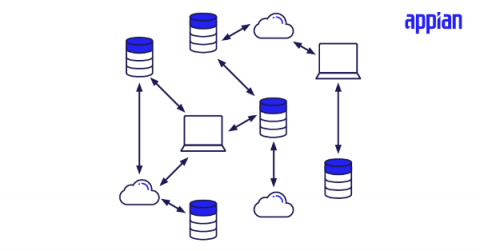
The effects of disconnected data are many: lack of data-driven decision making, inaccurate information, and slower processes, to name just a few. When you quantify the total cost of data silos, you’ll find that organizations have a lot to lose. While many data silo statistics predict a gloomy future where organizations struggle to unite their enterprise data, new approaches to data management, like data fabric, can help.