Mailchimp
Not subscribed to OpsMatters Newsletter


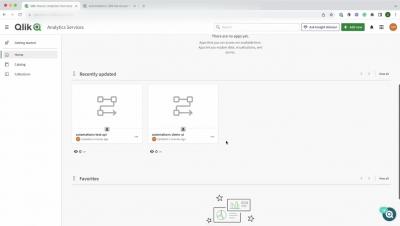
A common task for any IT department, or individual developer, is to move data from one location to another. A simple task to do once, but if this must be done many times for many different files (each with its own metadata, file type and data structure), it is a task that can become tedious. Luckily there are many low-code tools that can make this task much more manageable. As an example, Linx allows us to import a file and make the data available elsewhere quickly.
In the competitive software industry, many new products are purpose-built to provide value to end-users. Project viability depends not just on the accuracy of the product in meeting user requirements, but also on the time and resources spent in its development. Using fewer resources may enable faster development and allow the business to cash in on an identified opportunity faster. But exactly how do you get from concept to product fast, while staying true to design objectives?
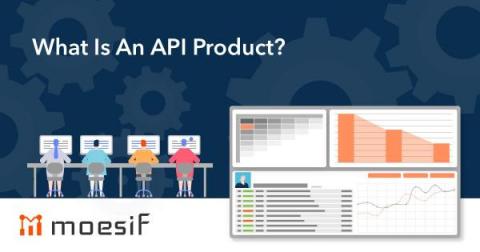
We’ve all heard the terms API product or API-as-a-product. The terms themselves seemed to be used quite freely, leaving some of us with an assumption of what is meant but without a really solid grasp. As joining and contributing to the API economy becomes more desirable, API products are a crucial part of any business that is looking to tap into it. So asking “what is an API product?” is a really relevant question with many different angles.
We’re back with another Job of the Week! The title is admittedly growing on me... This week’s job takes us into the world of data scraping. First, let’s answer two common FAQ’s.
Innovate or die. It’s one of the few universal rules of business, and it’s one of the main reasons we continue to invest so heavily in data. Only through data can we get the key insights we need to innovate faster, smarter, better and keep ahead of the market. And yet, the vast majority of data initiatives are doomed to fail. Nearly nine out of 10 data science projects never make it to production.
Businesses today adapt to change with breathtaking speed. Lines of business now follow their products out the door digitally and continue tracking usage throughout the lifecycle. This gives companies valuable insights into how customers use and interact with their products, enabling them to analyze and evolve solutions while nurturing customer relationships.