Live: Educational Services for Snowflake Data Governance
Let's learn more about the 1-day Data Governance course on Snowflake with Lynne and Kurt.

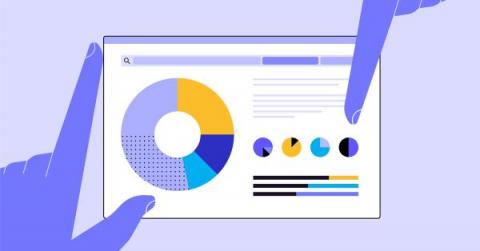
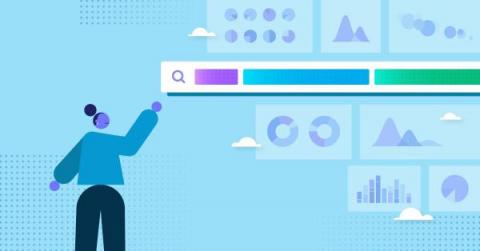
Think about the times you've wished you had more insight into your business data. Or all of the times you wished you could answer questions about your business performance without waiting for someone else to get back to you. Gone are the days when businesses rely solely on IT staff to provide reports and analytics. With self-service business intelligence (BI), users can create their own reports, dashboards, and data visualizations without relying on IT help.
Digital transformation. Everyone has their own ideas about what digital transformation means, so I decided to look up a few definitions.
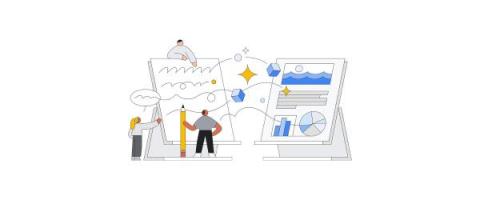
If you’ve already centralized your log analysis on BigQuery as your single pane of glass for logs & events…congratulations! With the introduction of Log Analytics (Public Preview), something great is now even better. It leverages BigQuery while also reducing your costs and accelerating your time to value with respect to exporting and analyzing your Google Cloud logs in BigQuery.
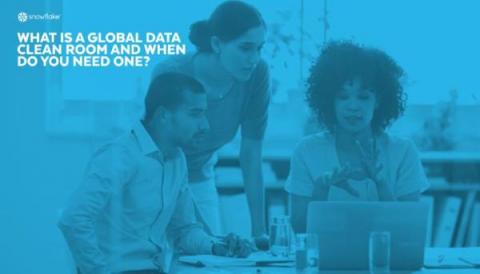
There’s a lot of talk in the market these days about data clean rooms, along with some confusion about what exactly a data clean room is and how it differs from data sharing methods. In this blog post, I’d like to shed some light on this topic.
As ThoughtSpot’s SVP of Corporate Marketing I oversee a field marketing team that acts as the glue between our Marketing and Field Sales teams. When people talk about field marketing, they’re often just thinking of events — but we have a far broader remit than that. Each member of the Field Marketing team sits within a specific sales region, acting as a kind of regional CMO.
DBTA recently hosted a roundtable webinar with four industry experts on “Unlocking the Value of Cloud Data and Analytics.” Moderated by Stephen Faig, Research Director, Unisphere Research and DBTA, the webinar featured presentations from Progress, Ahana, Reltio, and Unravel. You can see the full 1-hour webinar “Unlocking the Value of Cloud Data and Analytics” below. Here’s a quick recap of what each presentation covered.