Bucketing, also known as binning, is useful to find groupings in continuous data (particularly numbers and time stamps). While it’s often used to generate histograms, bucketing can also be used to group rows by business-defined rules. I’ll walk through the simple bucketing various data types as well as custom buckets.
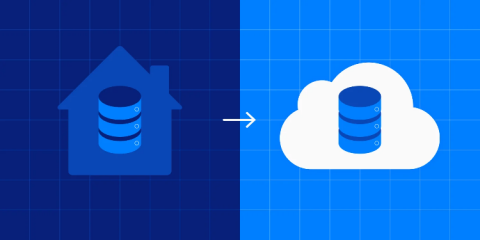
Migrating a data warehouse from a legacy environment requires a massive upfront investment in resources and time. There is a lot to consider before and during migration. You may need to replan your data model, use a separate platform for tasks scheduling, and handle changes in the application’s database driver. Therefore, organizations must take a strategic approach to streamline the process. This article presents a step-by-step approach for migrating a data warehouse to the cloud.
Canada is poised to become a world-leader in privacy regulation and with new regulation comes record-breaking fines for those who can’t keep up. In November, Canada introduced the Digital Charter Implementation Act. If passed, companies could face fines of up to five percent of global revenue or $25 million CAD — whichever is greater — for violating Canadians’ privacy.
Thanksgiving holiday is upon us. For many of our customers, this is one of the most important periods of the year, with more than 189.6 million U.S. shoppers buying up bargains from Thanksgiving day through Cyber Monday last year. For them and for us, it’s crucial that internal systems can handle high traffic volume without downtime or performance degradation.
Given the competitive value of analytics and rapid adoption rates across industries, you can’t afford a subpar analytics program. In the late 90s, Oakland Athletics general manager Billy Beane used data to discover undervalued talent and assemble a perennial playoff-caliber team, and he did so on a shoestring budget compared to Major League Baseball’s heavy hitters. Beane’s pioneering use of data analytics became the subject of the bestselling book Moneyball.
Many analytics programs struggle to assimilate data from numerous and unpredictable sources, but automated ELT offers a solution. Why do so many businesses struggle to establish successful analytics programs? A lack of data is not the problem. Data volumes — from hundreds of cloud applications to millions of IoT endpoints — are exploding across organizations and industries.