We collect the latest Development, Anaytics, API & Testing news from around the globe and deliver it direct to your inbox. One email per week, no spam.
Are you tired of exporting data from your ERP, reformatting it in Excel, then discovering that you need to start over because someone entered a last-minute transaction? For finance teams everywhere, this frustrating cycle eats up hours that could be spent on higher-value work. Manual report preparation, week after week and month after month, is draining. By the time you’ve pulled data from multiple sources and made it presentable, it’s already outdated.
In contemporary software engineering, it is not sufficient to simply confirm that software applications function perfectly across all features – they also need to behave correctly with real users in real worlds. In this context, scenario testing has a significant role to play. Scenario testing fills the gap between functional testing and real user experience based on validating software by simulating end-to-end user journeys.
In the world of early-stage startups, the real enemies aren’t competitors. It’s time, focus, and credibility. You’re racing to ship fast, protect runway, and look enterprise-ready long before you actually are. And in 2025, every serious buyer expects your product to have native, AI-powered analytics built in. Not basic dashboards, but a polished, conversational, ask-anything, data experience that delivers trusted answers.
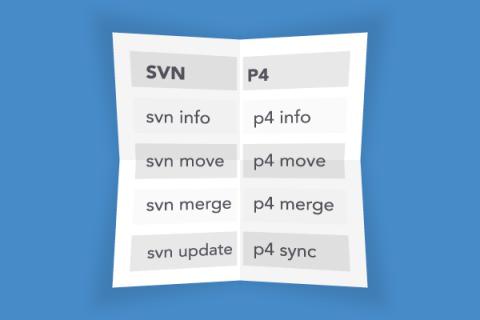
Using Subversion (SVN) for version control? With SVN commands, you can work in SVN more efficiently. Here we list out some of the most popular Subversion commands along with an SVN cheat sheet. —
AI has rewritten the rules of software development. Developers can now generate, fix, and ship code in seconds. This is transformative, but as shared by SmartBear CEO Dan Faulkner, “The tools that help us build software are advancing much faster than the tools that ensure we can trust it.” For software quality to keep up with AI coding, today’s tools must evolve to remain effective. SmartBear is answering this call.
PDF documents play a critical role in various industries, serving as the final output for customer-facing documents such as invoices, contracts, and compliance reports. However, testing these documents poses significant challenges due to their complex nature, which includes mixed content, dynamic data, and strict formatting requirements. Manual testing of PDFs is not only time-consuming but also prone to human error, making automation an essential component of a robust testing strategy.