We collect the latest Development, Anaytics, API & Testing news from around the globe and deliver it direct to your inbox. One email per week, no spam.
It might be a cliche, but first impressions really do count. Whether it’s a first date, a job interview or the UI design of your app, looking the part is a massively important consideration. Today we’re going to look at how we can use the SwiftUI Color structure to enhance the visual appeal of our apps and make the right impression on our users.
Integrations can be done efficiently with IPaaS tools. Quickly set up point-to-point connectors, add logic and orchestration, and the integration is done and configured. The difficulty comes with more custom and bespoke systems. For example, when custom fields are added to an ERP or CRM, when you need to integrate with a legacy system, or when there is no connector to interact with. Linx can assist in cases where high flexibility and customization are required.
This post originally appeared on the Build Blog by ThinkApps. View the original post by Runscope’s VP of Developer Relations, Neil Mansilla. So you’ve designed, built and launched your app. Before you pat yourself on the back and move on to the next project, your work isn’t quite done. In order for your app to gain adoption, consistently delight users and be successful for the long haul, you need to put certain systems and workflows in place.
With API-driven applications being increasingly common, understanding how your APIs are performing is crucial for success. That’s where the combination of Heroku and Moesif allows developers and their organizations to step up their observability game. In this blog, we will quickly examine how you can integrate Moesif with your Heroku app to begin monetizing and analyzing your API traffic. Let’s kick things off by taking a brief look at both platforms.
In this guide, we help you navigate the API landscape with confidence as a developer. This no-nonsense guide spotlights RESTful, SOAP, and GraphQL APIs and their roles in optimizing your projects. We discuss best practices and integration strategies that can refine your development toolkit, helping you build resilient, interconnected software systems with ease.
Data is the lifeblood of businesses. But the vast amount of data businesses accumulate makes it difficult to turn that data into actionable insights. Enterprise intelligence solutions offer a system for collecting, managing, analyzing, and monitoring your process and business data. A good enterprise intelligence solution empowers organizations to make informed, data-driven decisions, enhance operational efficiency, and maintain a competitive advantage.
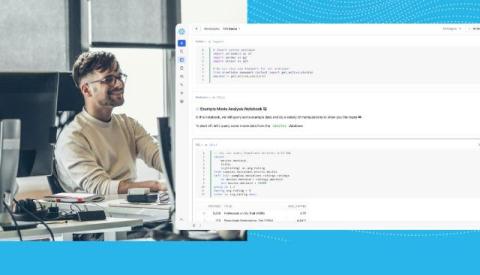
We’re pleased to announce the launch of Snowflake Notebooks in public preview, a highly anticipated addition to the Snowflake platform tailored specifically to integrate the best of Snowflake within a familiar notebook interface. Snowflake Notebooks aim to provide a convenient, easy-to-use interactive environment that seamlessly blends Python, SQL and Markdown, as well as integrations with key Snowflake offerings, like Snowpark ML, Streamlit, Cortex and Iceberg tables.
Snowflake announced the global winners of the sixth annual Data Drivers Awards, the premier data awards that honor Snowflake customers who are leading their organizations and transforming their industries with the AI Data Cloud. This year’s winners of the Data Drivers Awards include data leaders from across global organizations, including Caterpillar, Bentley, Mitsubishi Corporation, Zoom and more.