Systems | Development | Analytics | API | Testing

5 Ways to Use Log Analytics and Telemetry Data for Fraud Prevention

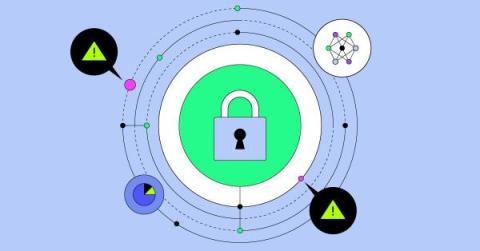
As fraud continues to grow in prevalence, SecOps teams are increasingly investing in fraud prevention capabilities to protect themselves and their customers. One approach that’s proved reliable is the use of log analytics and telemetry data for fraud prevention. By collecting and analyzing data from various sources, including server logs, network traffic, and user behavior, enterprise SecOps teams can identify patterns and anomalies in real time that may indicate fraudulent activity.

Unit Testing vs. Functional Testing: An In-Depth Comparison

Functional testing is a process that expands across the software development life cycle, from code-level testing to regression testing. Different levels of testing are well represented in the testing pyramid. To get a firm grasp on how these types of testing work and their relationship, we'll look further into each layer.

Improving testing efficiency with Test Case Design techniques

Hardware and software systems often involve numerous parameters that influence a system’s output(s). Those parameters can represent input, environment, or usage patterns and can have a finite or infinite number of options/values. For instance, on a booking flights website, the Flying From, Flying to, Class, (number of) Adults, and (number of) Children input parameters can easily provide hundreds of different combinations for creating tests.

Deploying Machine Learning Models for Real-Time Predictions Checklist

Deploying trained models takes models from the lab to live environments and ensures they meet business requirements and drive value. Model deployment can bring great value to organizations, but it is not a simple process, as it involves many phases, stakeholders and different technologies. In this article, we provide recommendations for data professionals who want to improve and streamline their model deployment process.

Is Your Data Speaking to You? Real-Time Anomaly Detection Helps You Listen Effectively

As we hurtle into a more connected and data-centric future, monitoring the health of our data pipelines and systems is becoming increasingly harder. These days we are managing more data and systems than ever before, and we are monitoring them at a higher scale.

What is gRPC?

gRPC is an open source remote procedure call (RPC) framework that enables client and server applications to communicate with each other remotely and transparently. In this blog post, we are going to discuss gRPC. First, we’ll talk about RPCs and why they are important. Then we’ll explain how gRPC works, taking a closer look at protocol buffers and the architecture of gRPC.

The rise of Realtime Collaboration

The past few years—accelerated by the pandemic—have seen people move more of their work and personal lives online. There’s a huge growth in teams working remotely, either on a full or part-time basis. And many companies have embraced the remote-first model - offering remote-first or hybrid positions as standard. However this shift to remote, online-first interaction brings challenges. For remote workers, one of the biggest impacts has been in the way that they work together.