iOS 17 is Here: What's New & What to Test
Sauce Labs now supports iOS 17 on real devices! This new iOS version offers a range of updates for security, personalization, sharing, and communication features. Learn more in our blog post.


A Registration page is more than just a place for users to create their account. It is a process designed to protect the backend, ensure compliance with privacy and security standards, as well as verify the users before granting them certain access to the digital services. If you are trying to test your Registration page and don’t know where to start, read on and discover 60 test cases for Registration Page that you can use for references.
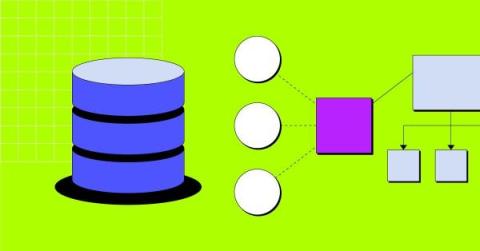
By the end of this two-part series, we will dive into what data warehouse architecture is and how to implement one for your organization. Part one will look at architectural layers and common data warehouse components, while part two dives into multi-tiered data warehouse architecture.
Generative AI seems like it's shaking things up for process automation, like other industries. But in reality, artificial intelligence is less of a shake-up and more of a natural complement to the capabilities that support a process automation initiative. Imagine a world where AI can turn a PDF into a digital interface, or sort all the emails in an inbox and generate responses for an employee to review.
Confluent and AWS Lambda can be used for building real-time, scalable, fault-tolerant event-driven architectures, ensuring that your application logic is executed reliably in response to specific business events. Confluent provides a streaming SaaS solution based on Apache Kafka® and built on Kora: The Cloud Native Apache Kafka Engine, allowing you to focus on building event-driven applications without operating the underlying infrastructure.