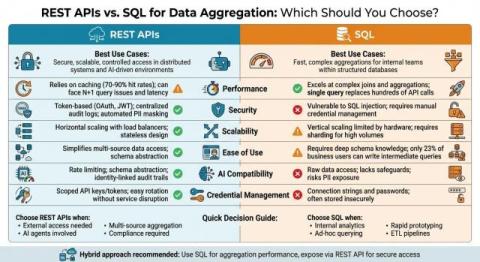
Conclusion: Use REST APIs for secure, multi-source data aggregation in AI or distributed systems. Choose SQL for high-performance internal analytics with structured data.
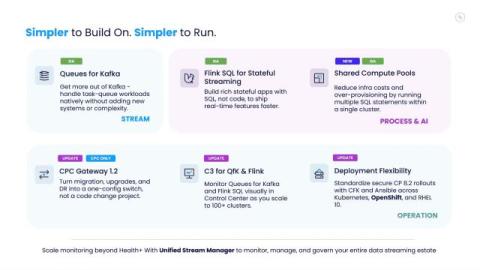
Today, we're excited to announce the release of Confluent Platform 8.2, which builds on Apache Kafka 4.2! This release extends and simplifies what you can do with Apache Kafka and Apache Flink, whether that’s handling task queues natively with Apache Kafka 4.2, processing streams easily with Flink SQL, or managing cluster migration, upgrades, or disaster recovery without the usual operational pain. The release highlights are below, and additional details about the features are in the release notes.
In modern software development, speed is no longer the biggest challenge. Most organizations have adopted agile practices, CI/CD pipelines, and automation frameworks that enable rapid delivery. What slows teams down today is uncertainty. Stakeholders constantly face critical questions: When answers rely on scattered reports, manual interpretation, or partial visibility, decision-making becomes reactive, leaders will hesitate.
SaaS apps have now become a basic necessity for all of us, something we never knew could actually happen. Long gone are the days when we used to wait for hours or even days to watch the latest episode of our favorite series. Now, we have Netflix, Hotstar, AppleTV, and whatnot. Talking about Netflix, well, you must all be aware of SaaS apps like Netflix, or you must have used this app at least once in your life, if not regularly. Correct?
Breakpoints are useful for all kinds of debugging. But for iOS debugging, they’re critical. iOS often veers away from the typical top-to-bottom flow. At the same time, its heavy reliance on async/await can inadvertently lead to concurrency and race conditions. As devs, we need a way to stop the train before it goes too far in the wrong direction. This is what Xcode breakpoints are designed for.
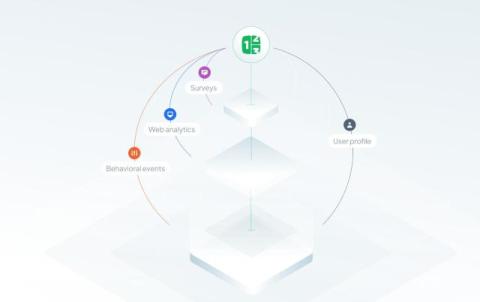
Most on-premise data collection tools focus on a single method—analytics, web tracking, or surveys. Organizations that need full control over user data—whether for compliance, security, or internal policy—are increasingly turning to on-premise data collection platforms. But once you start researching on-premise data collection tools, things get confusing quickly. Some platforms focus on analytics. Others handle surveys or feedback.
AI-powered analytics is everywhere right now. But the payoff? Not so much. Two patterns show up again and again. The first is an “AI everything” backlog that expands faster than teams can deliver. The second is an insights bottleneck that still forces the business to wait in line for basic answers while analysts drown in ad hoc requests.
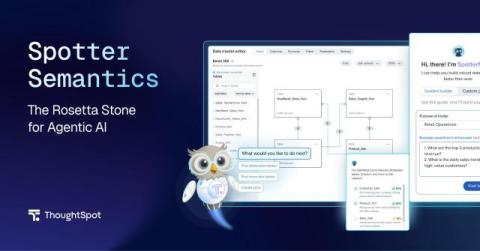
In 1799, soldiers near Rosetta, Egypt, unearthed a stone carved with the same decree in three scripts: hieroglyphs, Demotic, and Ancient Greek. Because scholars already understood Greek, it unlocked a language—and with that, a civilization’s worth of knowledge that had been dark for over a millennium. We’re at a similar inflection point in enterprise data.
The healthcare landscape is shifting from paper-based records to intelligent, automated ecosystems. At the heart of this transformation is Medication Management Software. This technology does more than just track pills. It serves as a digital safety net for patients and a productivity engine for providers. With the rise of complex drug regimens and a growing geriatric population, the margin for human error has become dangerously thin.