Concurrency in JavaScript
Do you understand JavaScript's concurrency model? This article is here to help! Learn how JavaScript executes non-blocking functions and dive into event loops, callbacks, async/await, and promises.


Do you understand JavaScript's concurrency model? This article is here to help! Learn how JavaScript executes non-blocking functions and dive into event loops, callbacks, async/await, and promises.
In a previous blog post, we discussed how to run local tests using Python and Selenium browser automation. In this blog post, we will show you how to configure parallel test execution for a WebRTC product with one or more participants on your local machine.
The conversations around eBPF and how this technology will shape the future of the service mesh caused a huge buzz in the last year — yes, bee pun intended. eBPF lets you run sandboxed programs in an operating system kernel. Imagining how eBPF could improve the service mesh brings exciting possibilities, but it also raises security and operational concerns given the current state and limitations of eBPF.
CIOs are fed up with having a plethora of BI and analytics tools with business units seemingly chasing the shiniest new solution. And although most industry surveys show data and analytics budgets continuing to grow despite a faltering economy, there is closer scrutiny and belt tightening to rid teams of overlapping capabilities. Here’s a look at how BI tool portfolios have become such a mess and how to streamline them.
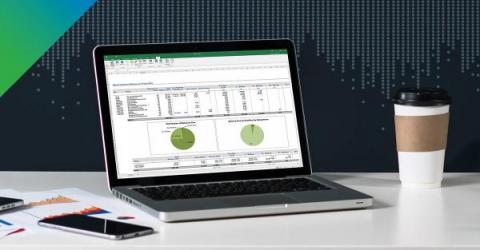
Much like Apple people tend to be all Apple, all the time, Microsoft Dynamics ERP users tend to prefer Microsoft products for all their computing needs. It’s not hard to understand why. Using products from the same ecosystem prevents compatibility issues and saves time in learning multiple systems.
NodeSource, a leader in Node.js application management, monitoring, and security, is excited to announce our partnership as a launch partner for Deployment Protection Rules with GitHub Actions, the world's largest software development platform, to integrate Node Certified Modules (NCM) directly into the GitHub Marketplace.
In the article “From Data to Insights: An Introduction to Product Analytics”, we walk you through the basics of product analytics, providing you with a high-level approach to get started with it. This time, we’d like to dig in deeper to dissect every step of the product analytics process, assuming that the main goal is to improve user engagement and retention.