Welcome to the September edition of “What’s New in Loadero”! Along with various fixes we also have an announcement to make about something that is external to the app’s functionality - our blog!
You’ve written all of your test cases! Congrats, you’re on the right track to success. Now you need to execute them, and test execution needs to take place in a test environment. Those environments can be the make-or-break of your test result. In this article, we’ll explore the concept of a test environment in-depth and how you can best set it up.
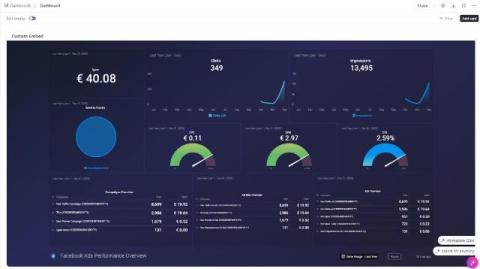
Imagine having all your critical business metrics and project data seamlessly integrated within your favorite project management tool. For ClickUp users, this vision becomes a reality with the embedding of Databox dashboards. No more toggling between multiple platforms or juggling tools — embedding a Databox dashboard into ClickUp centralizes your insights, empowering you to make informed decisions without missing a beat.
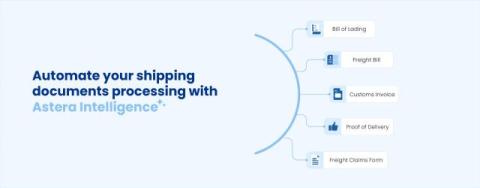
The year is 1424. You’re shipping goods across the world, and the ship in question gives you a bill of lading. It’s a piece of paper containing details about what your goods are, where you’re shipping them from, and where they’re headed. Fast forward to 2024. You’re shipping your goods across the world, and the shipping company gives you a bill of lading. It’s still (most likely) a piece of paper.
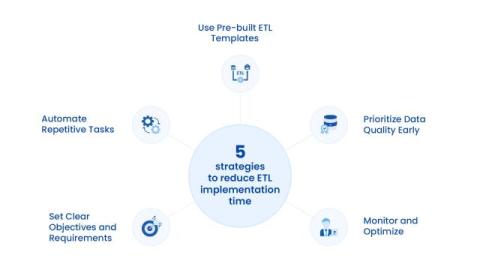
Picture this: You are part of a BI team at a global garment manufacturer with dozens of factories, warehouses, and stores worldwide. Your team is tasked with extracting insights from company data. You begin the ETL (Extract, Transform, Load) process but find yourself struggling with the manual effort of understanding table structures and revisiting and modifying pipelines due to ongoing changes in data sources or business requirements.
Enterprise computing goes through constant cycles of reinvention, often driven by the arrival of an innovation with the potential to change everything. As a service business models and GenAI are both great examples. As anyone in this space can attest, the pace of change can age you quickly. But at the same time, it’s what makes the business so exciting. And dare I say, it’s what keeps everyone in it young. It’s a bit of a conundrum if you think about it.
Tideways is joining the Open Source Pledge because we want to make a public commitment on our various open source contributions. Not only do we rely on open source software in our product Tideways, we are also building our business on top of the open source language PHP and its continued success. The mission of the recently started Open Source Pledge initiative is to establish a new social norm in the tech industry of companies paying Open Source maintainers.
The evolution of APIs (application programming interfaces) has been all the hype in recent years. In many ways, they're powering the modern internet as they open doors to organizations and developers around the globe. Data shows that 98% of enterprise leaders believe APIs are essential for survival concerning digital transformation, yet most struggle to develop a comprehensive rollout strategy.
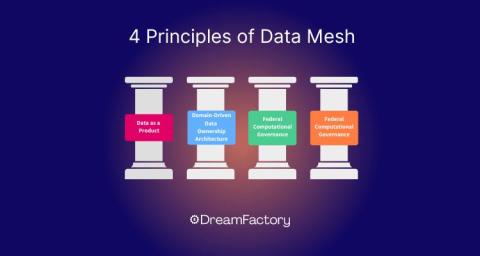
A relatively new term in the world of data management, data mesh refers to the process of creating a single, unified view of all enterprise data. This process can happen in several ways, giving business users easy access to the data they require for decision-making. Several principles guide data mesh design and implementation. This article will discuss the principles of data mesh and how they can help your business get the most out of its data.
For insurance companies, balancing customer expectations with the rigorous requirements necessary to mitigate risks poses a challenge. Especially when you’re using manual underwriting processes. By turning to artificial intelligence (AI) in insurance underwriting, you avoid costly delays, streamline your employees’ processes, improve accuracy, and create an optimal customer experience. In this blog post, you’ll learn how AI facilitates greater efficiency in underwriting.